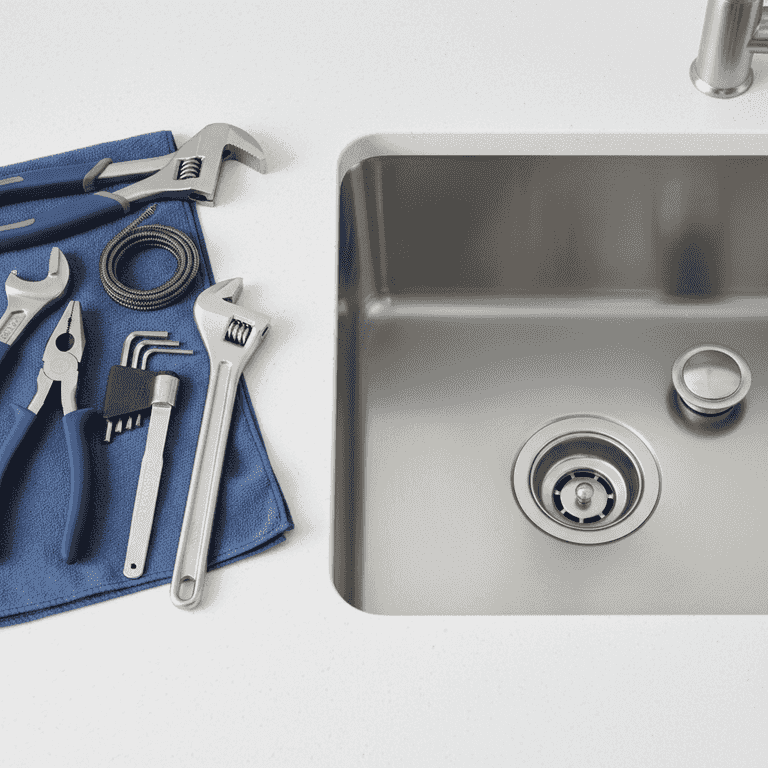
How to Unclog a Drain
Clear stubborn clogs in your sink or tub using simple tools and techniques. This guide walks you through safe, effective methods to restore proper drainage without calling a professional.
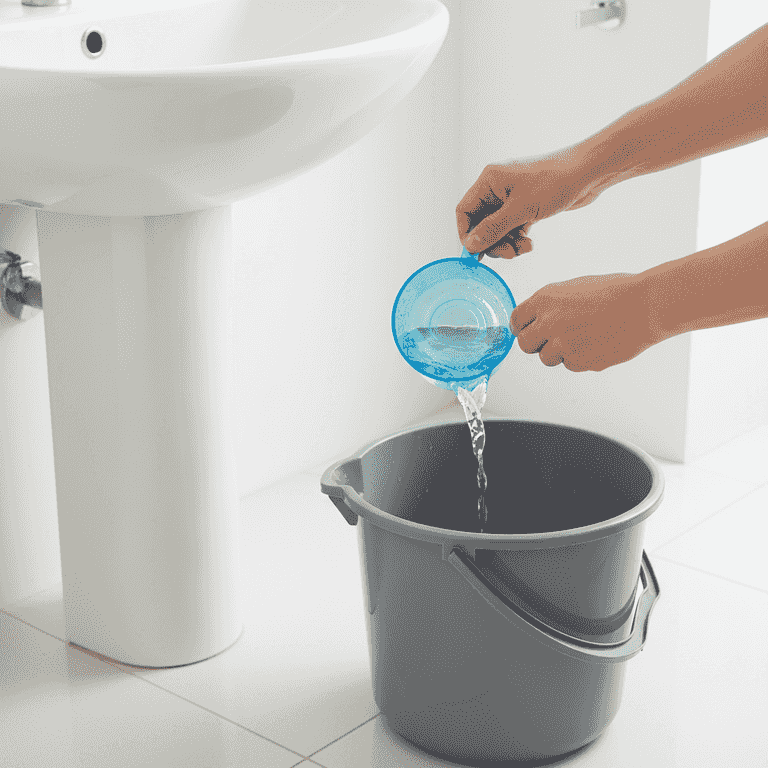
Remove standing water
5 minutesBail out as much standing water as possible from the sink or tub.
Use a bucket or a cup to remove excess water. This makes the workspace clearer and ensures your tools can make direct contact with the drain opening.
Use a small container to reach the bottom of deep basins.
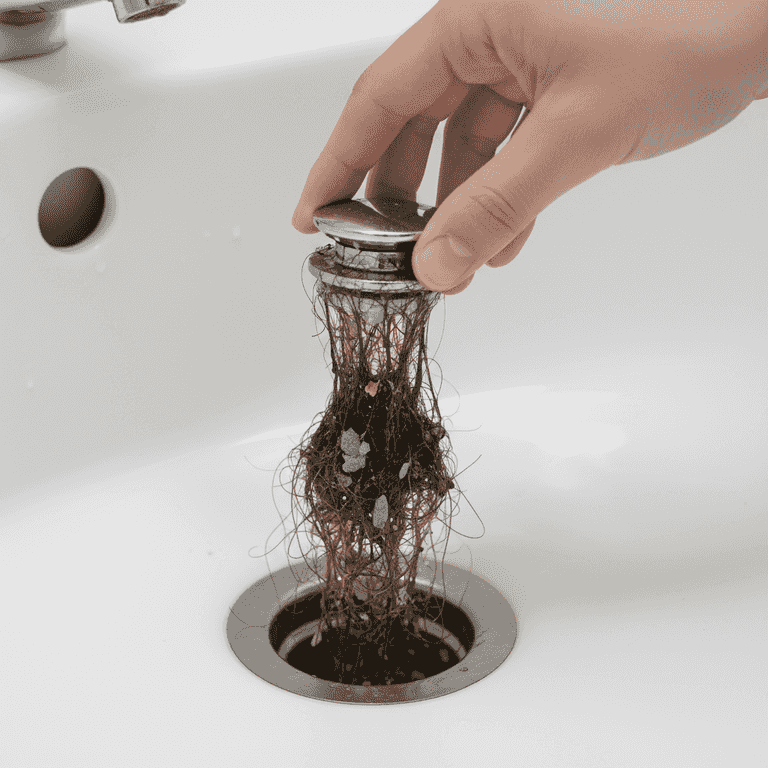
Clear the drain stopper
5 minutesRemove the sink stopper or drain cover to inspect for hair and debris.
Most bathroom stoppers can be unscrewed or lifted out. Pull out any visible hair or gunk trapped around the mechanism.
Do not force the stopper if it feels stuck; you may break the linkage.
Wear rubber gloves to maintain hygiene while handling debris.
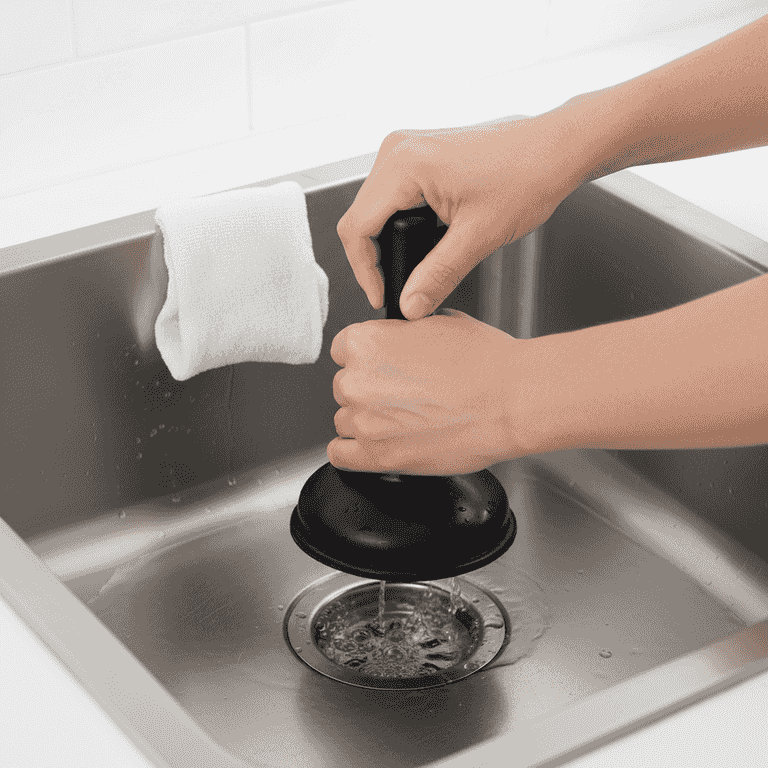
Plunge the drain
10 minutesPlace the plunger over the drain and pump vigorously.
Ensure the rubber cup covers the drain completely. Pump up and down firmly for about 30 seconds to create suction that dislodges the obstruction.
Ensure you are using a cup-style plunger, not a toilet flange plunger.
Cover the overflow drain with a wet rag to create a better vacuum.
Use a drain snake
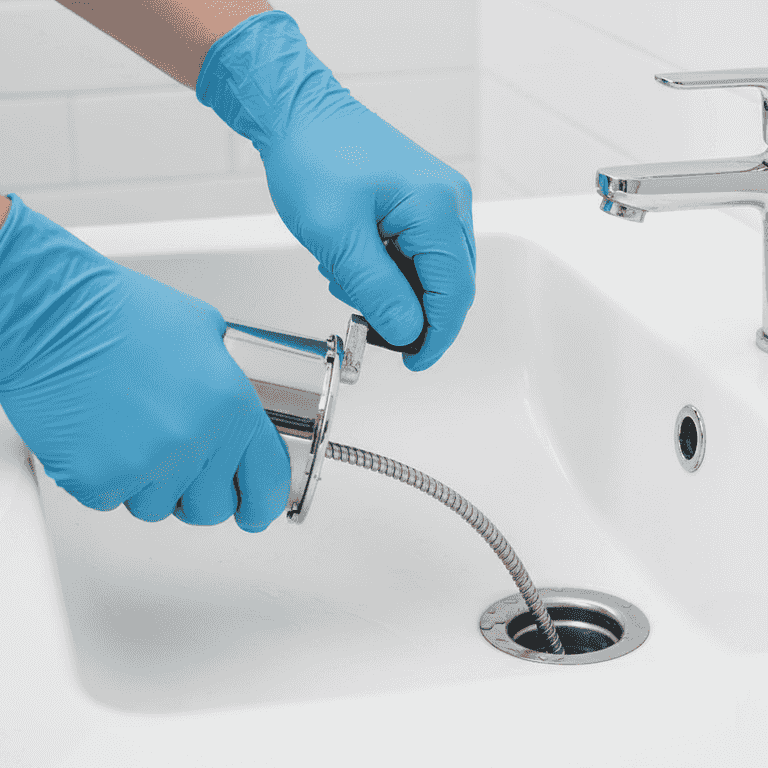
15 minutesInsert the drain snake into the opening and rotate it to grab the clog.
Feed the snake into the pipe until you feel resistance. Rotate the handle to hook the clog, then slowly pull it back out.
Go slowly to avoid scratching the finish of your sink drain.
Flush with hot water
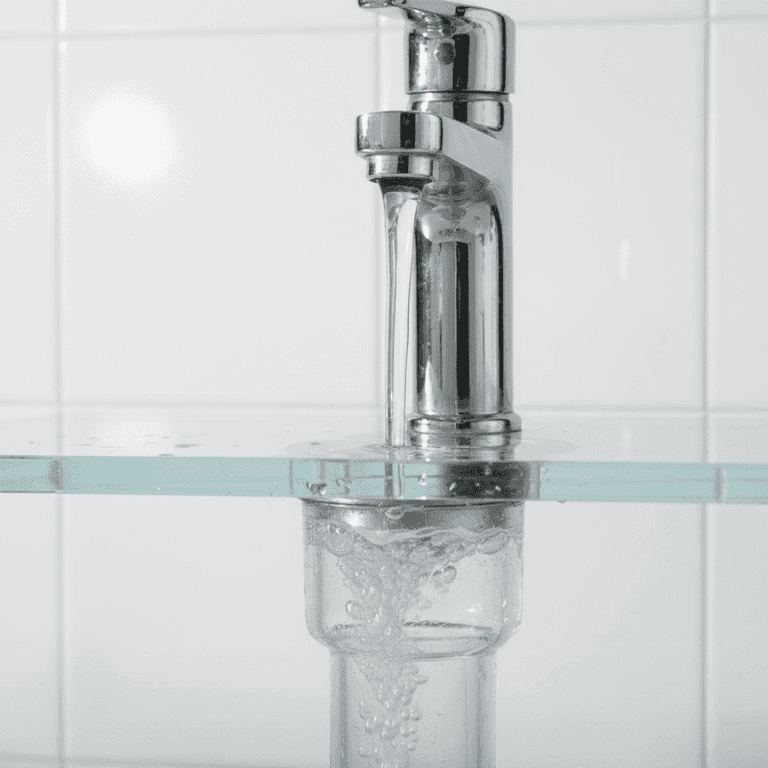
5 minutesRun hot water down the drain to clear remaining debris.
Turn on the faucet to the hottest setting and let it run for a few minutes. This flushes away any loosened residue and confirms the drain is clear.
Do not use boiling water if you have PVC pipes, as it can soften the joints.
Pour a mixture of baking soda and vinegar before flushing for a deeper clean.
Pro Tips
- ●Install a hair catcher screen to prevent future clogs.
- ●Never pour grease or oil down any household drain.
- ●Perform a monthly maintenance flush with baking soda and hot water.
- ●If the drain remains clogged after these steps, the issue may be in the P-trap or main line.