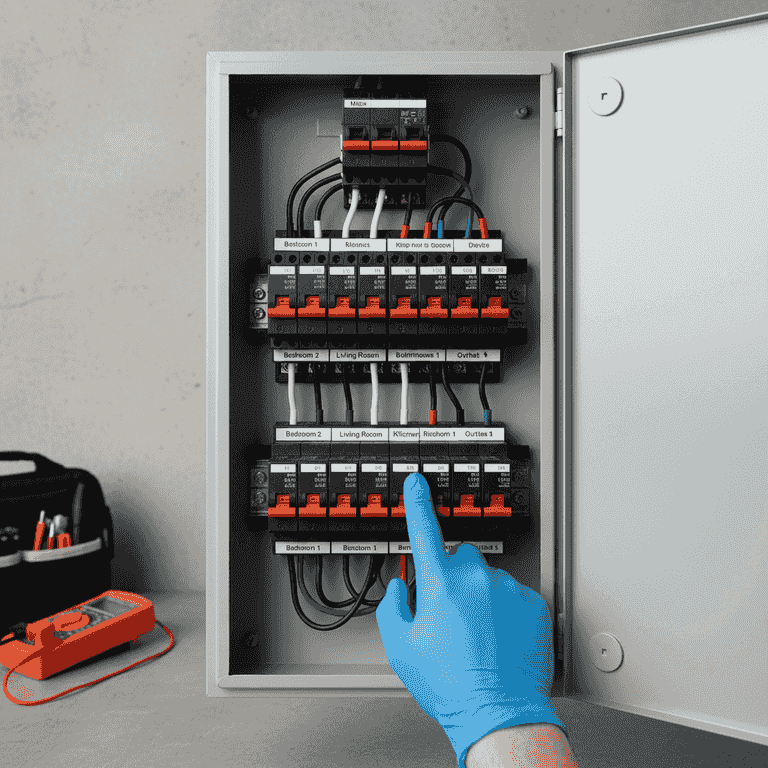
How to Reset a Circuit Breaker
Restoring power to your home is a straightforward process when you know how to safely navigate your electrical panel. This guide walks you through identifying, resetting, and troubleshooting a tripped breaker to get your lights back on quickly.
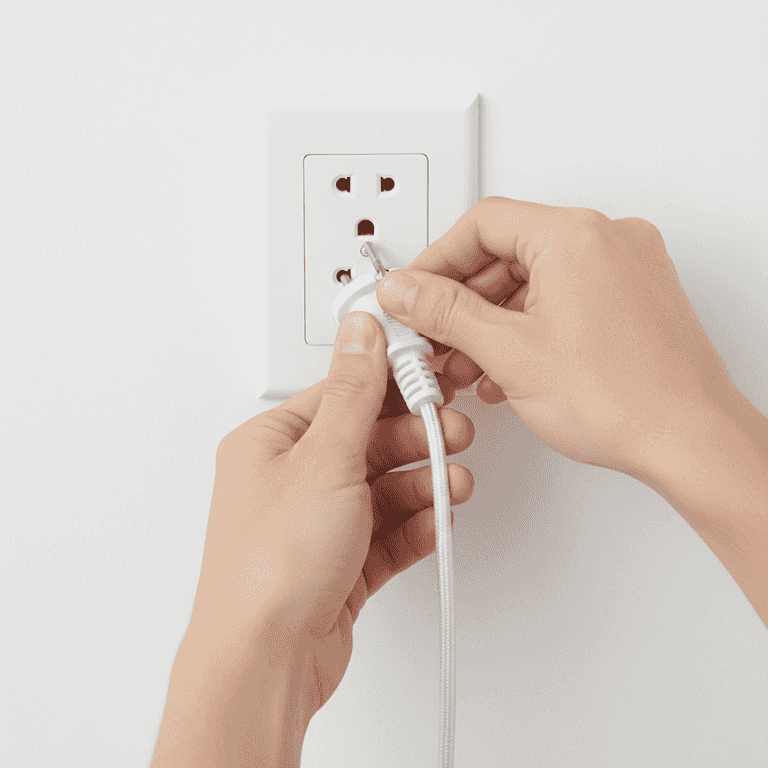
Turn off affected appliances
2 minutesUnplug devices or turn off switches in the room that lost power.
Turning off appliances prevents a power surge when you reset the breaker, which can help prevent the breaker from tripping again immediately.
If you don't know which devices are on the circuit, turn off everything in the affected area.
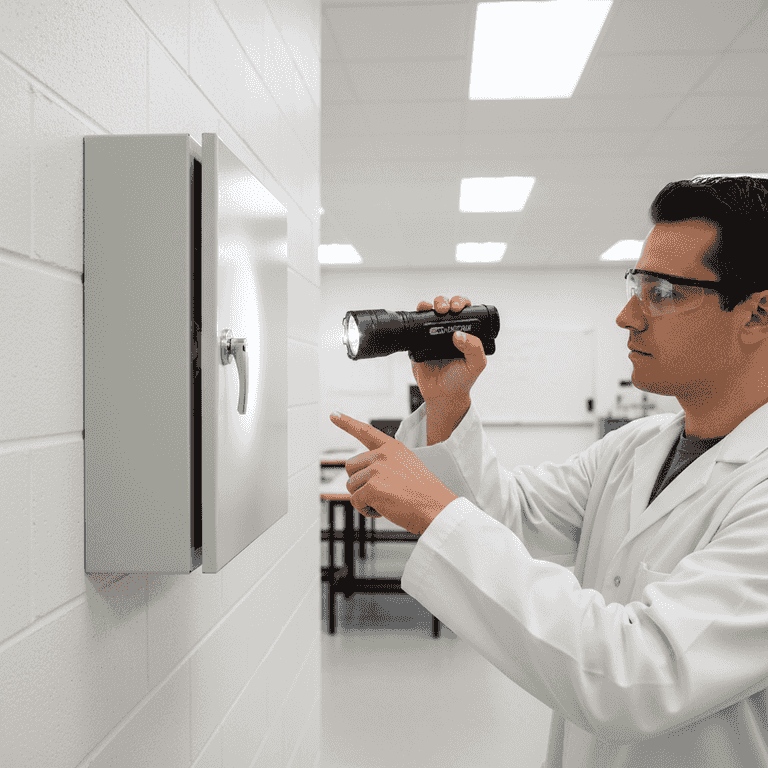
Locate the electrical panel
1 minuteFind your home's main breaker box, typically located in a basement, garage, or utility closet.
The panel is usually a metal box recessed into the wall. Ensure the floor area in front of it is dry and clear of debris.
Do not touch the panel if there is any sign of water leakage or moisture near the box.
Use a flashlight if the area is dim to ensure you can clearly see the labels on the switches.
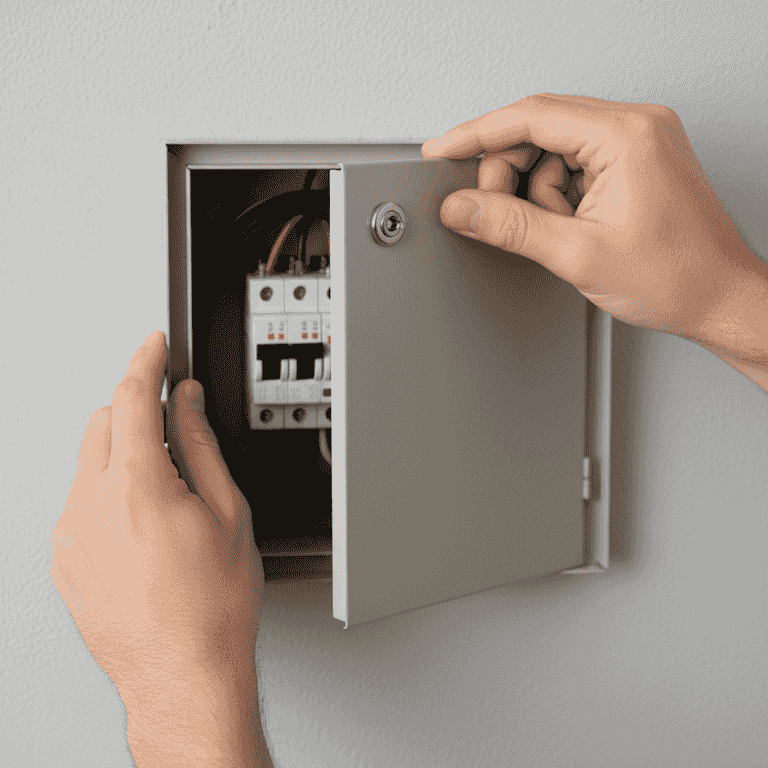
Open the panel door
1 minuteCarefully open the metal door of the breaker panel to reveal the switches.
Most panels have a latch or a simple door that swings open. Once open, you will see a series of switches arranged in rows.
Do not reach inside the panel beyond the plastic switch covers; there are live electrical components behind the metal faceplate.
Keep the panel door clear of obstructions so it can swing fully open.
Identify the tripped breaker
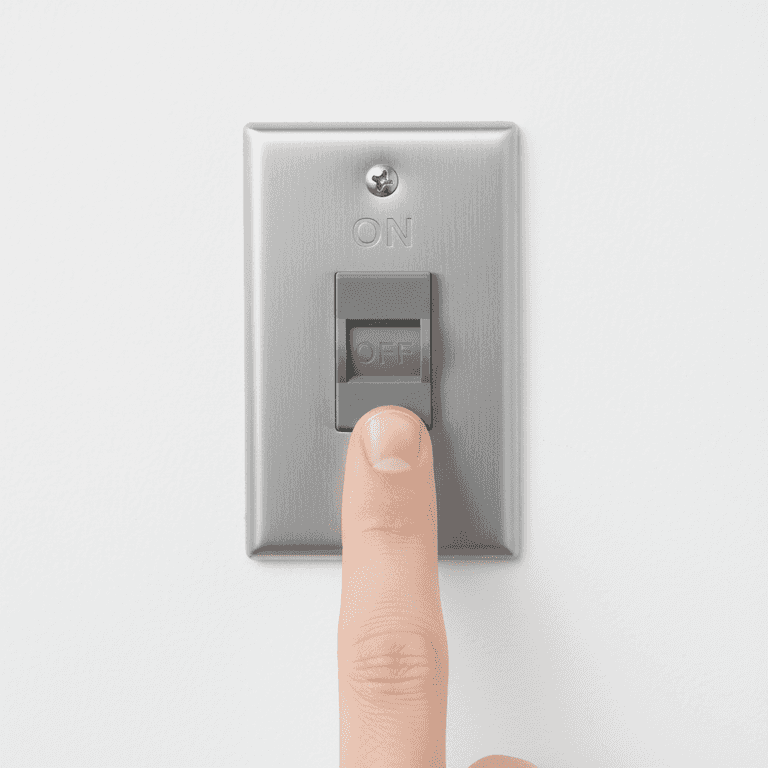
2 minutesScan the rows of switches for one that is in the middle 'tripped' position.
A tripped breaker will not be fully in the 'ON' or 'OFF' position; it will be stuck in the center. It may also look different from the other switches that are all aligned.
If all switches look the same, look for the one that has been labeled for the room where the power is out.
Reset the breaker
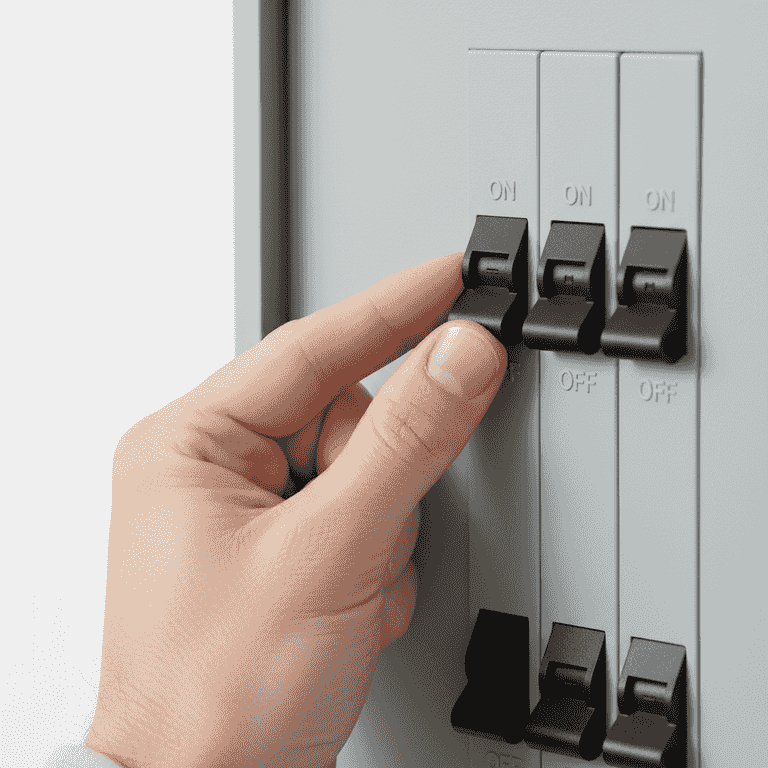
1 minutePush the tripped switch firmly to the 'OFF' position, then flip it back to the 'ON' position.
You must fully click it to 'OFF' to reset the internal mechanism before moving it back to 'ON'. You should feel a distinct click when it engages.
If the breaker trips again immediately, stop and call an electrician; there may be a short circuit.
Use firm, steady pressure. If it resists moving, do not force it.
Verify power restoration
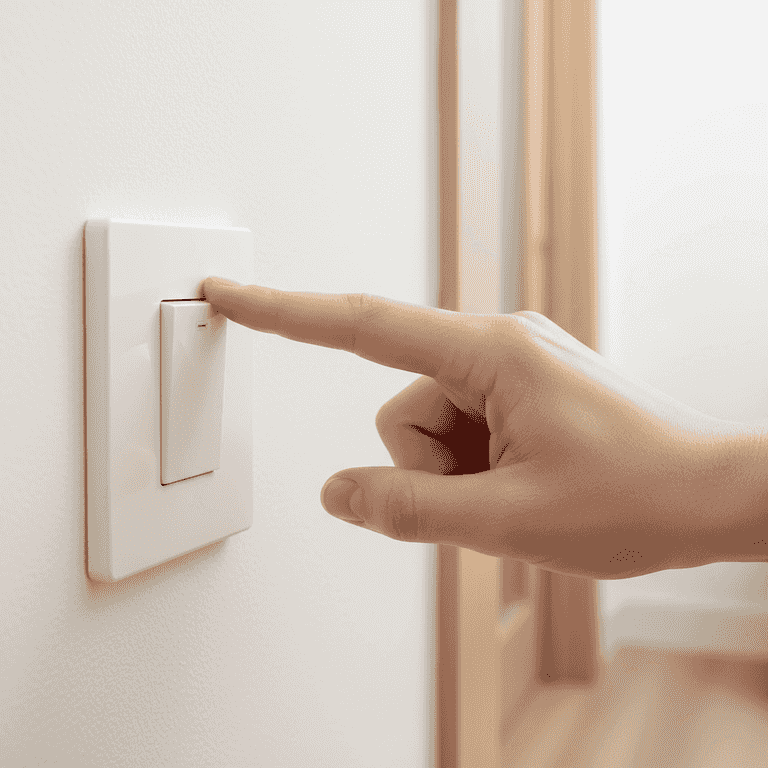
2 minutesCheck the room where the power was out to see if lights or appliances are working.
Return to the room and turn on a light switch or check an appliance. If power has returned, the reset was successful.
If power does not return, ensure you have correctly identified the right breaker for that circuit.
Pro Tips
- ●Label your breaker switches clearly with a permanent marker or sticker so you can quickly identify circuits in the future.
- ●If a breaker trips frequently, it may be overloaded; try moving high-draw appliances to different circuits.
- ●Keep a flashlight stored near your electrical panel for easy access during power outages.
- ●Avoid using multiple high-power appliances on a single circuit simultaneously.