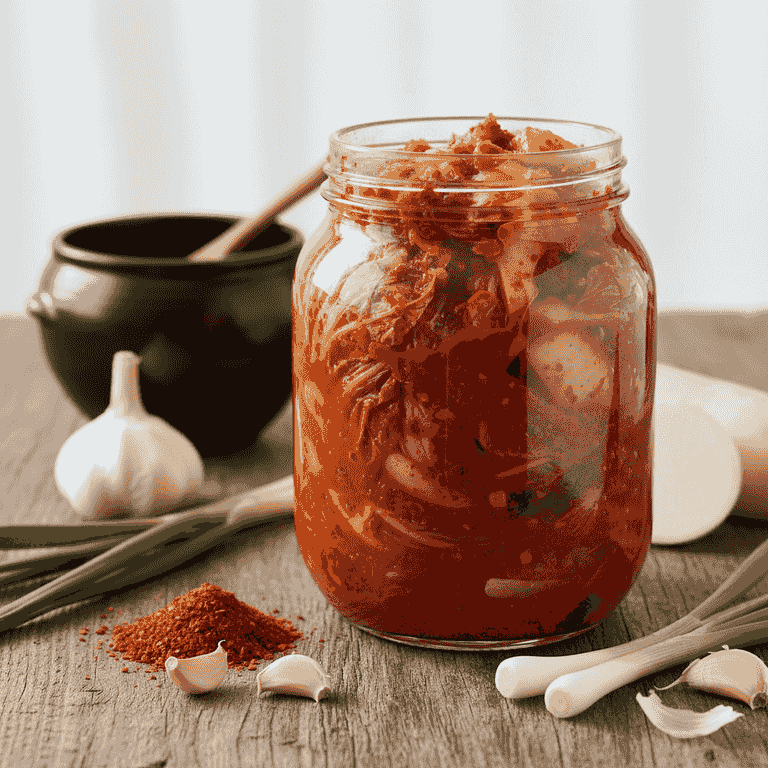
How to Make Traditional Napa Cabbage Kimchi
Learn the art of fermenting your own spicy, probiotic-rich Napa cabbage kimchi at home. This guide breaks down the traditional process of salting, seasoning, and fermenting to achieve the perfect balance of tang and spice.
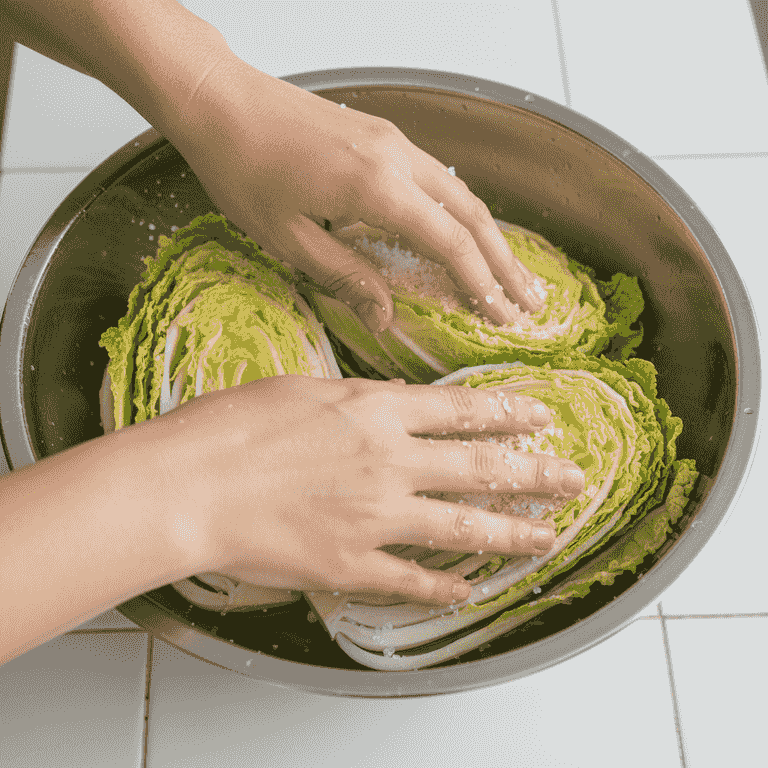
Salt the Napa cabbage
2 hoursSlice the cabbage into quarters and rub coarse sea salt between every leaf.
The salt draws out moisture from the cabbage, which is crucial for creating the brine and ensuring a crunchy texture. Let it sit for 2 hours, turning occasionally.
Do not use table salt with iodine, as it can inhibit the fermentation process.
Use high-quality Korean coarse sea salt for the best mineral balance.
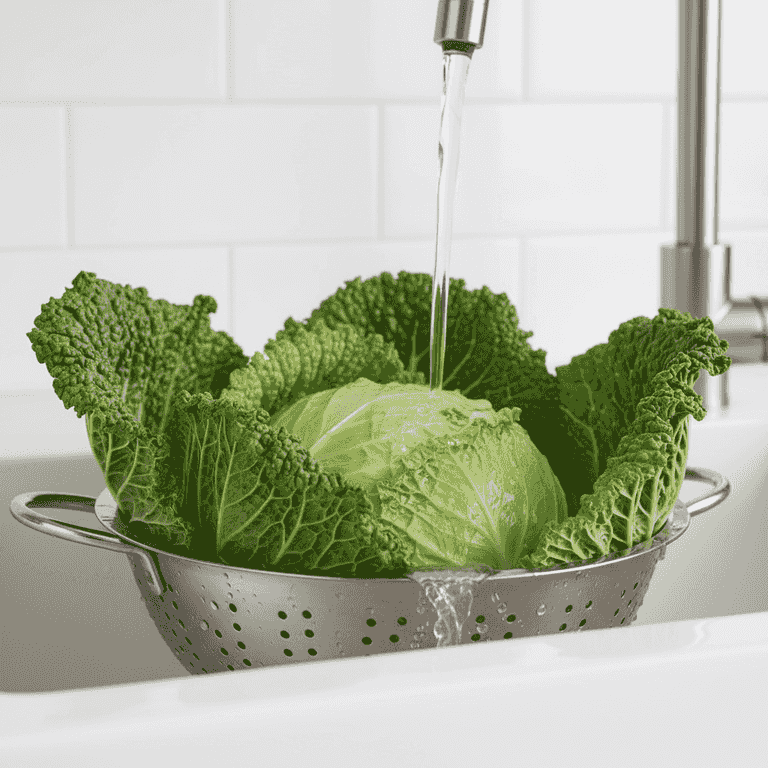
Rinse the cabbage
10 minutesRinse the salted cabbage thoroughly under cold running water three times.
This step removes excess salt and any debris. Ensure all traces of salt are washed away to avoid an overly salty final product.
Drain the cabbage in a colander for at least 30 minutes to remove excess water.
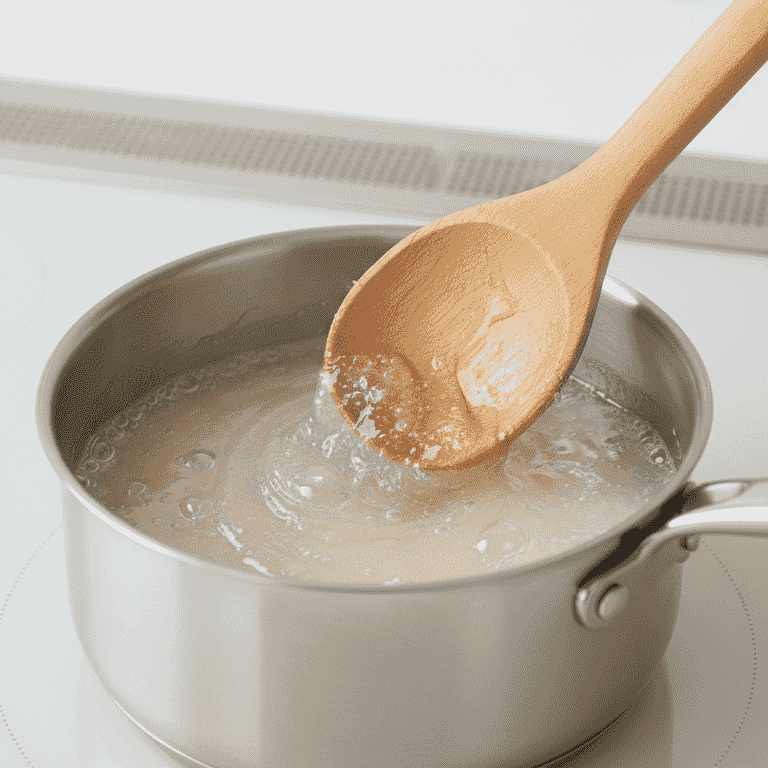
Prepare the porridge
10 minutesWhisk water and glutinous rice flour in a small saucepan over medium heat until it thickens into a translucent paste.
The rice porridge acts as a binder for the spices and provides food for the beneficial bacteria during fermentation. Let it cool completely before adding other ingredients.
Add a tablespoon of sugar to the porridge to help boost fermentation activity.
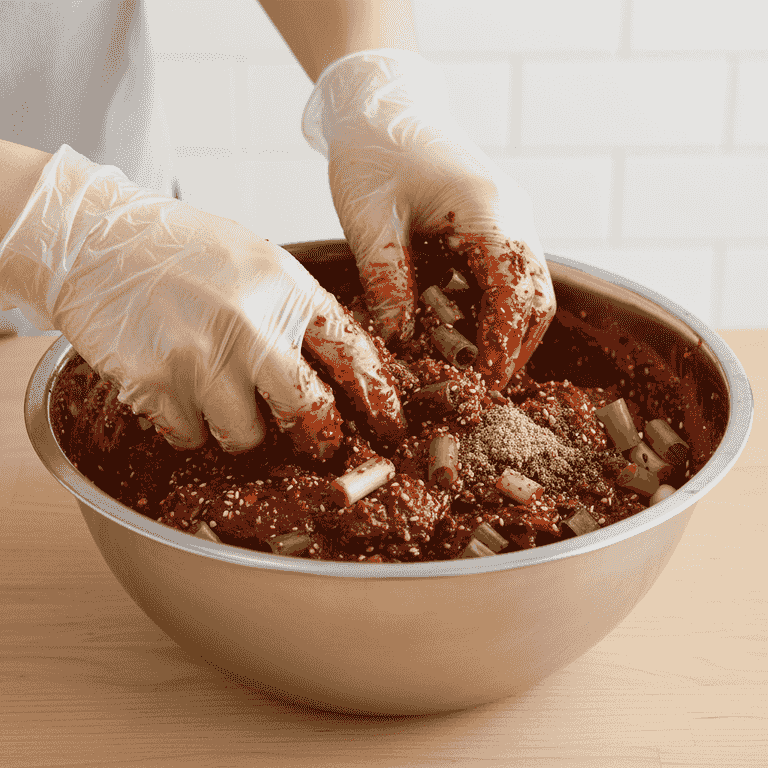
Mix the kimchi seasoning
10 minutesCombine the cooled porridge with chili flakes (gochugaru), minced garlic, ginger, fish sauce, and sliced scallions.
Mix until you have a thick, vibrant red paste. The aromatics are essential for the classic kimchi flavor profile.
Avoid touching your face or eyes after handling the chili paste.
Wear rubber gloves to prevent the chili paste from stinging your skin.
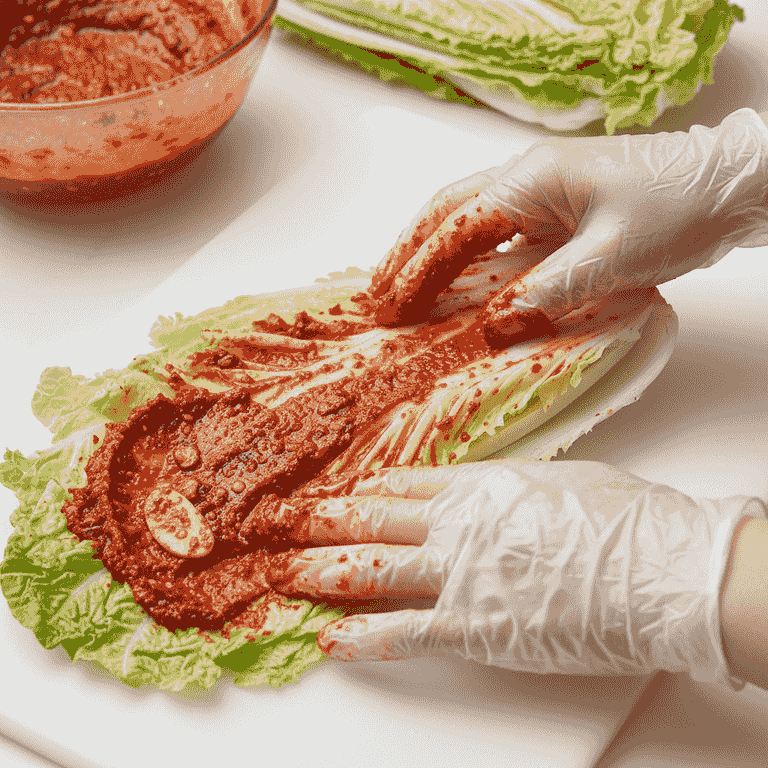
Apply paste to cabbage
15 minutesSpread the seasoning paste evenly onto each leaf of the cabbage using your hands.
Ensure every leaf is coated thoroughly, working from the outer leaves toward the core. This ensures consistent flavor distribution.
Fold the cabbage into a compact shape as you coat each leaf.
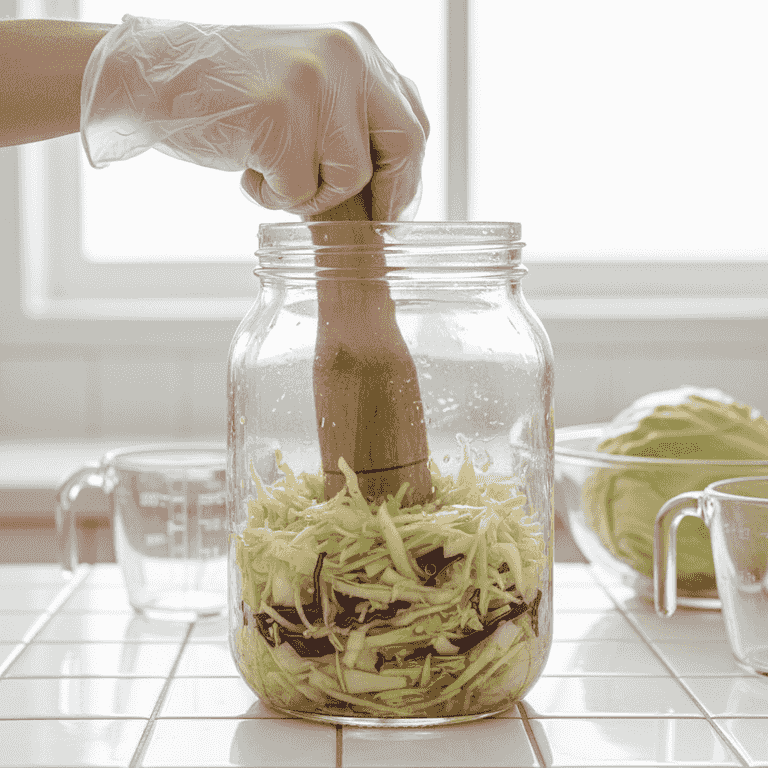
Pack into the jar
5 minutesPress the seasoned cabbage firmly into a clean glass jar, leaving a small amount of headspace at the top.
Pressing down removes air pockets, which helps create an anaerobic environment for the lactobacillus bacteria to thrive.
Leave at least 1-2 inches of space at the top, as the cabbage will release juices and gas during fermentation.
Wipe the rim of the jar clean before sealing to prevent contamination.
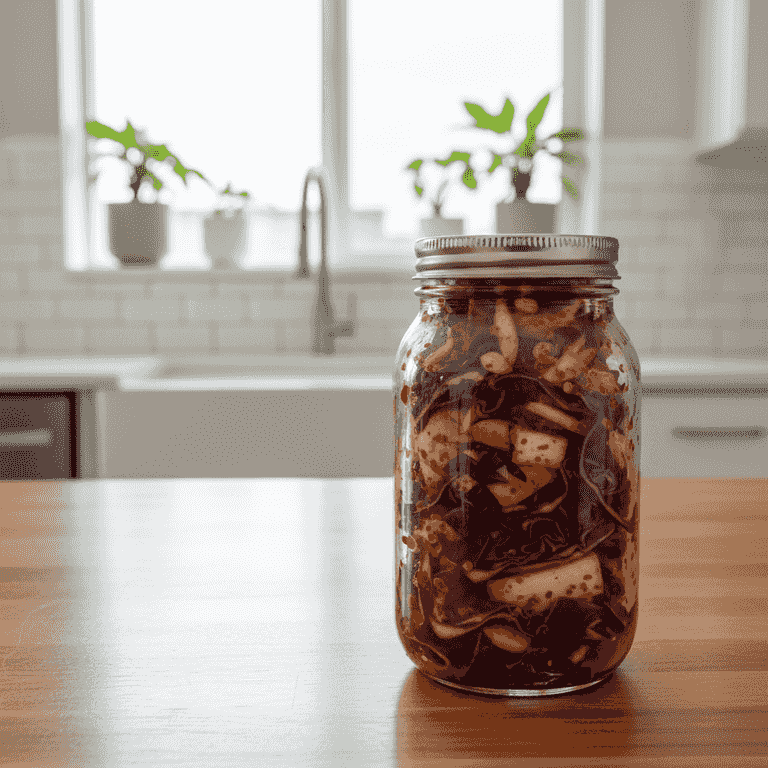
Ferment the kimchi
48 hoursSeal the jar and store it at room temperature away from direct sunlight for 24-48 hours.
The fermentation time depends on the ambient temperature; warmer rooms will ferment the kimchi faster. Once it tastes slightly sour, move it to the refrigerator to slow down the process.
If you see fuzzy white or colorful mold on the surface, discard the batch immediately.
Open the jar once a day to release trapped gases.
Pro Tips
- ●Always use high-quality, fresh Napa cabbage with firm leaves.
- ●Adjust the amount of chili flakes to match your preferred spice level.
- ●The longer you ferment in the fridge, the more complex and 'aged' the flavor becomes.
- ●Use fish sauce or salted shrimp for authentic depth, or soy sauce for a vegan alternative.
- ●If the kimchi becomes too sour, use it for kimchi fried rice or kimchi stew (jjigae).