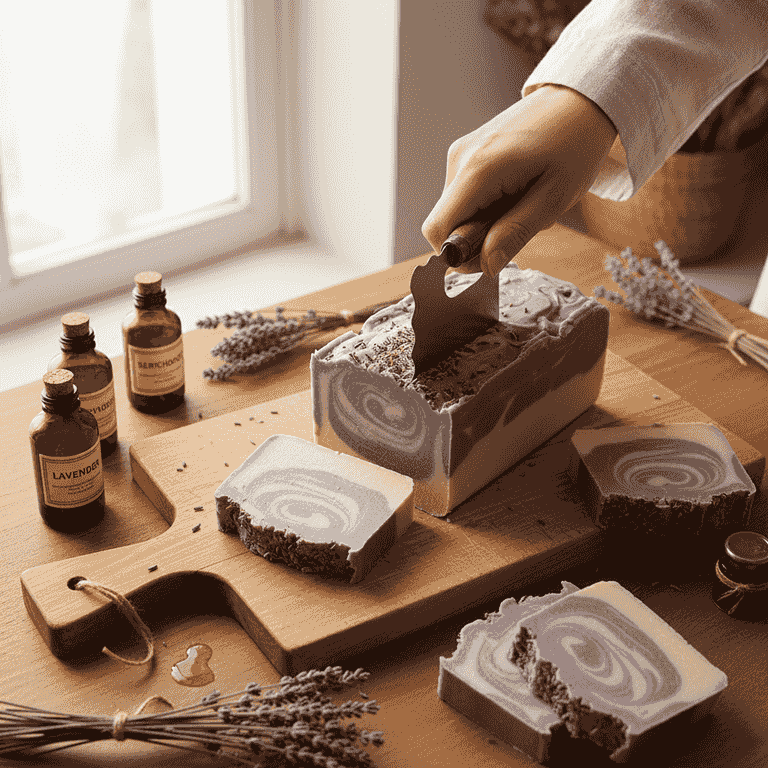
How to Make Cold Process Soap
Create luxurious, artisanal soap from scratch using the traditional cold process method. This guide walks you through the chemical reaction between fats and sodium hydroxide to produce a high-quality, moisturizing bar.
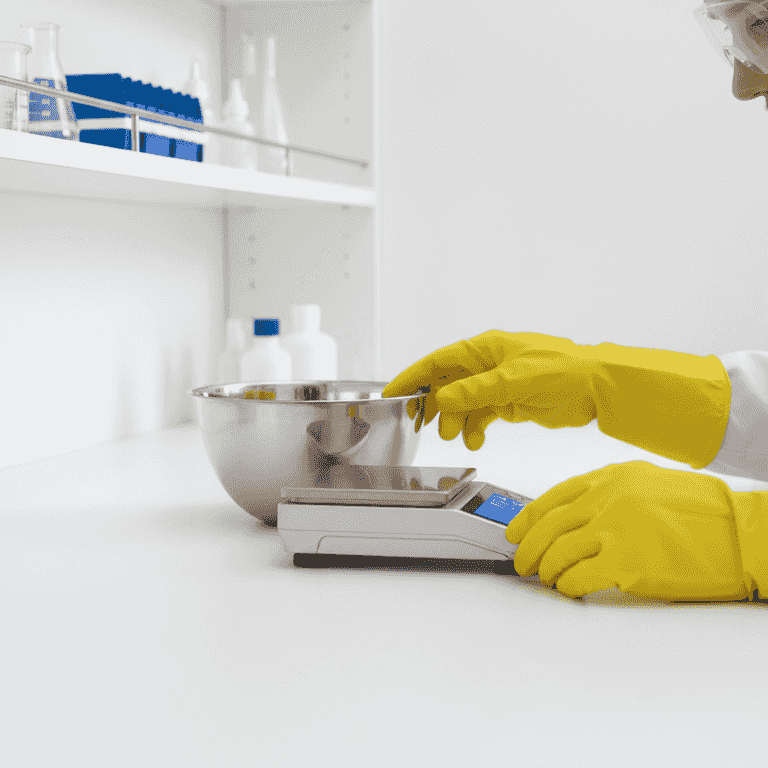
Prepare your workspace and safety gear
5 minutesPut on your safety goggles, gloves, and long sleeves before handling any materials.
Cold process soap making involves lye, which is highly caustic. Ensuring your skin and eyes are covered prevents accidental chemical burns.
Never skip safety gear; lye burns are serious.
Cover your work surface with butcher paper or newspaper for easy cleanup.
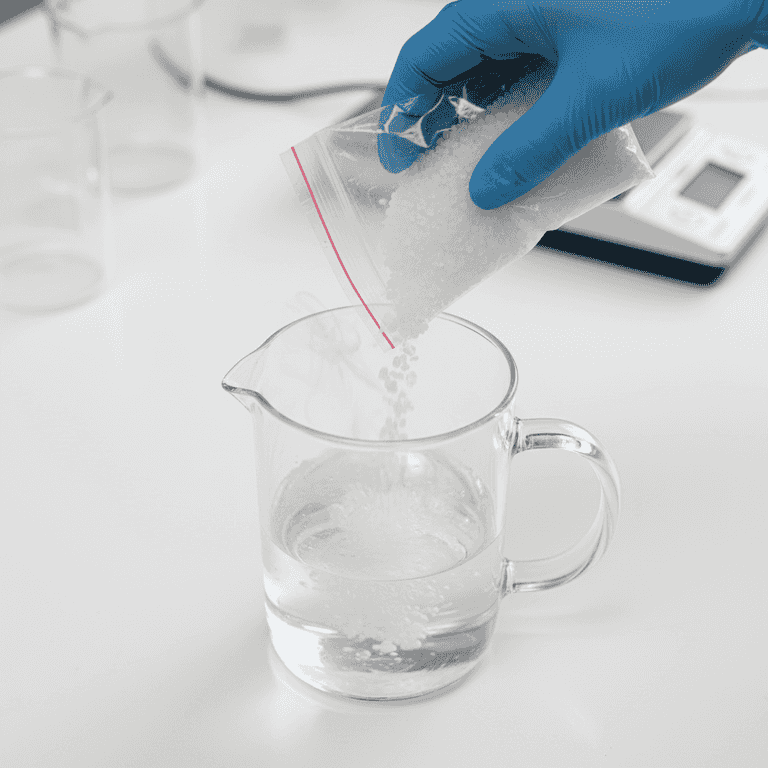
Measure and mix lye solution
10 minutesSlowly add the weighed sodium hydroxide to the weighed cold water in a heat-safe pitcher.
Always add lye to water. The reaction will create significant heat and fumes; stir until the liquid becomes clear.
Adding water to lye can cause an explosive eruption of caustic liquid.
Place the pitcher in a sink while mixing to contain any potential spills.
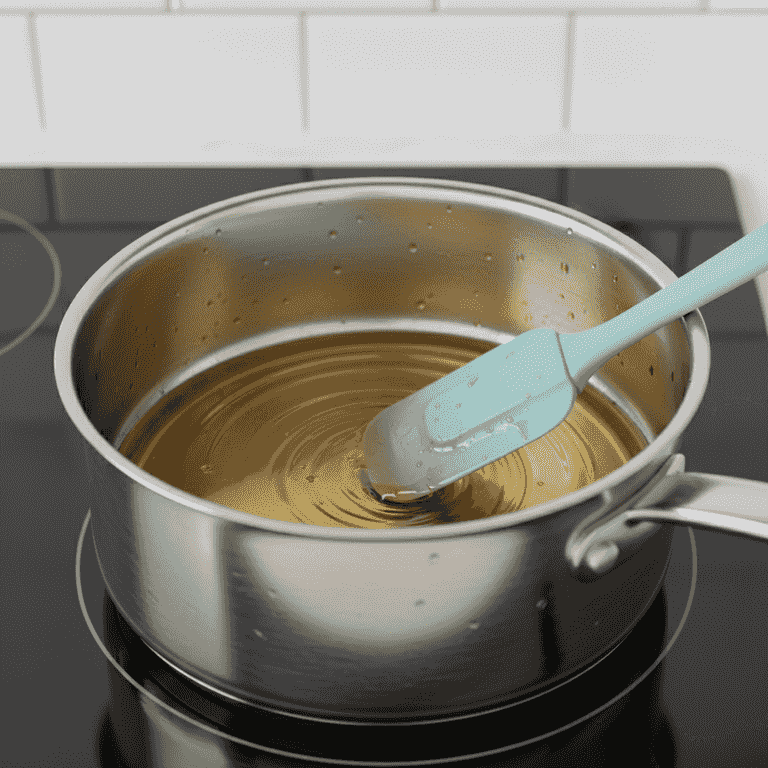
Melt the soap oils
15 minutesCombine your solid and liquid oils in a stainless steel pot and heat until fully melted.
Solid fats like coconut oil or shea butter need to be liquified to react properly with the lye. Once melted, remove from heat.
Do not overheat oils to the point of smoking.
Use a double boiler method to prevent scorching the oils.
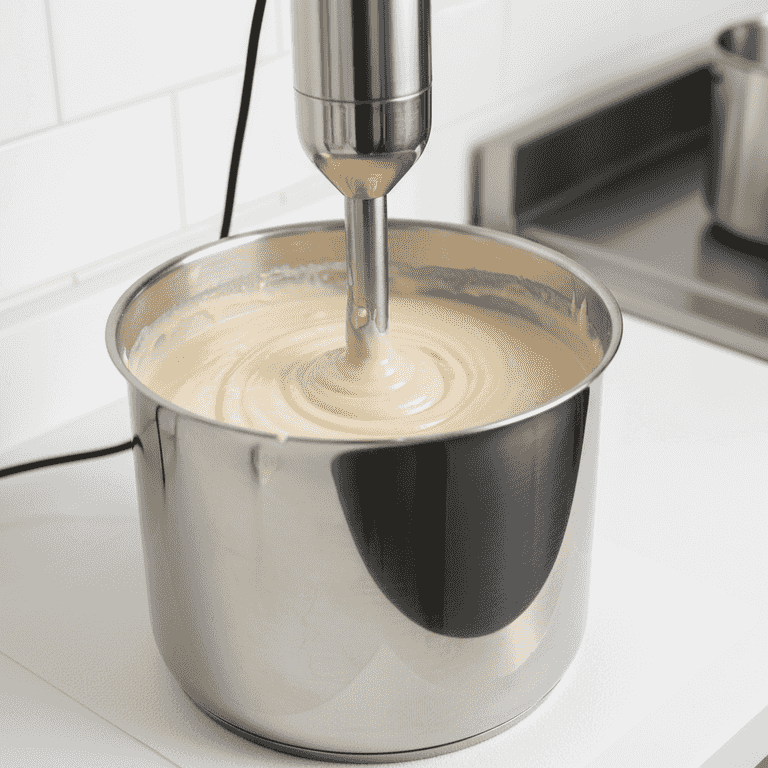
Emulsify the mixture
10 minutesSlowly pour the lye solution into the melted oils and pulse with an immersion blender.
The mixture will begin to thicken as it emulsifies. Continue blending until it reaches 'trace,' where the mixture leaves a trail on the surface.
Avoid splashing the raw soap mixture, as it is still caustic.
Lift the blender to pulse to avoid trapping air bubbles in the soap.
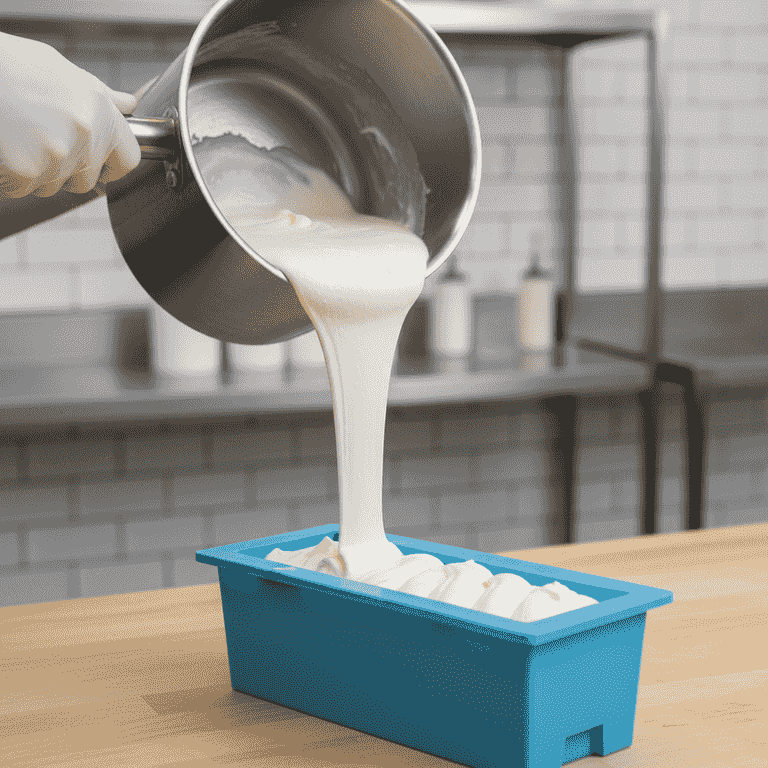
Pour into the mold
5 minutesPour the soap batter into your prepared mold and tap it firmly on the table.
Tapping the mold releases trapped air bubbles that could cause gaps in your finished bars. Smooth the top with a spatula.
Ensure the mold is stable and on a level surface.
If the soap is thick, use a spatula to help distribute it evenly into the corners.
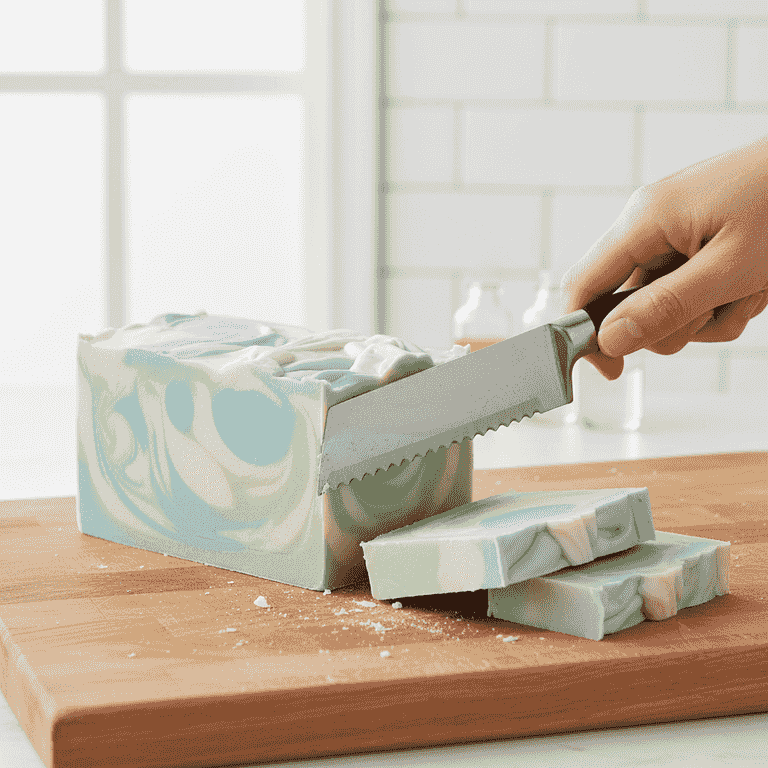
Cure the soap
4 weeksLeave the soap in the mold for 24-48 hours, then unmold and cut into bars.
The soap needs to sit in a cool, dry place for 4-6 weeks to finish the saponification process and evaporate excess water.
Do not use the soap before the curing period is complete.
Use a wire cutter or a sharp kitchen knife for clean edges when slicing.
Pro Tips
- ●Always use a digital scale; volume measurements are inaccurate for soap making.
- ●Keep a dedicated soap-making notebook to record your formulas and results.
- ●Use distilled water to avoid mineral impurities that can affect soap quality.
- ●Wait until the lye solution and oils are within 10 degrees of each other before mixing.
- ●Clean your tools with vinegar to neutralize any remaining lye before washing with soap.