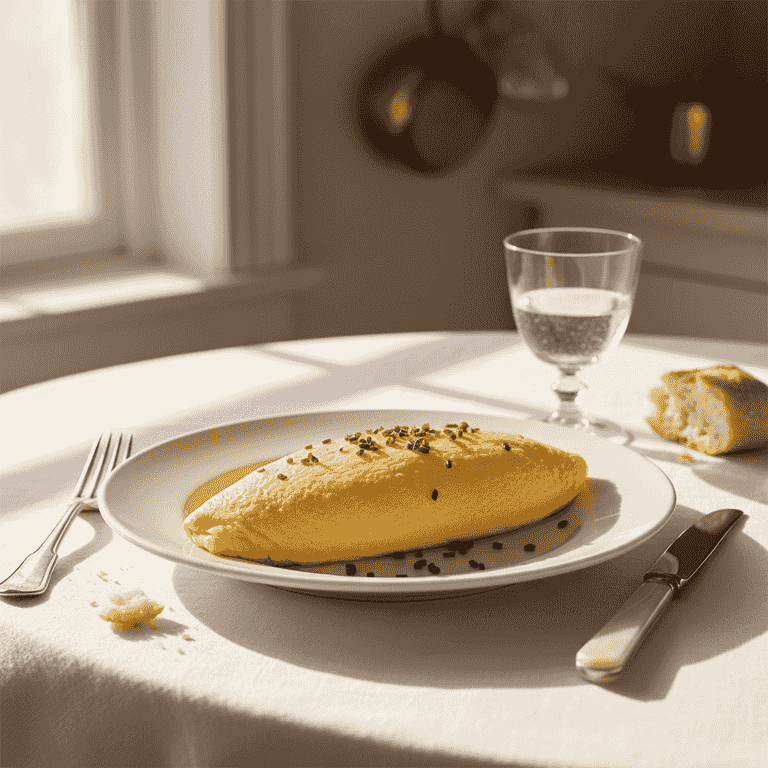
How to Make a Classic French Omelette
Master the art of the French omelette, a refined dish characterized by its smooth, pale exterior and creamy, soft-scrambled interior. This guide will walk you through the precise technique required to achieve a professional-quality result at home.
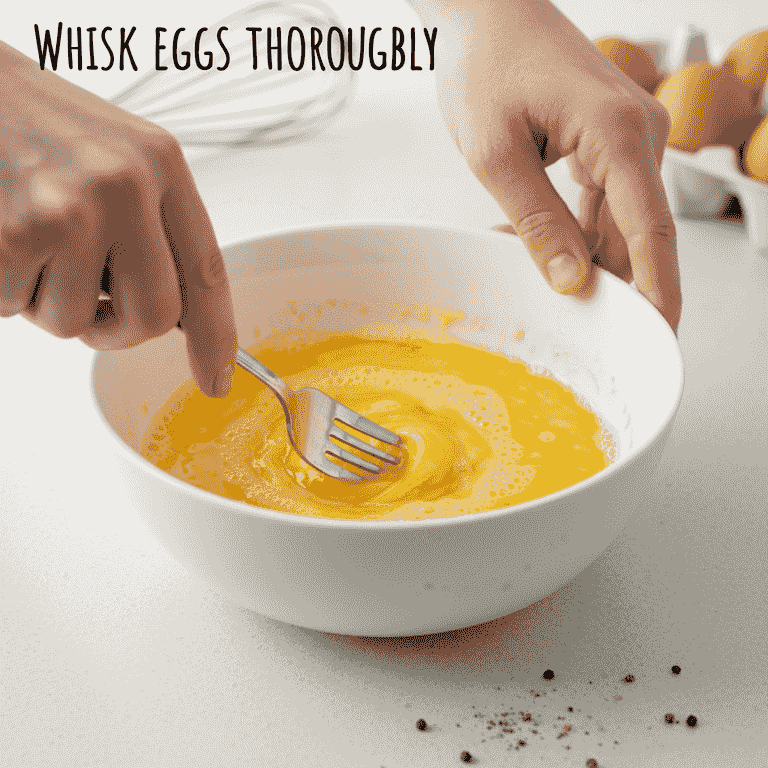
Whisk the eggs
1 minuteCrack three eggs into a bowl and whisk vigorously until no streaks of white remain.
You want the mixture to be completely uniform in color. A consistent base ensures the omelette cooks evenly without rubbery patches.
Season with a pinch of fine salt immediately before cooking to prevent the eggs from thinning out.
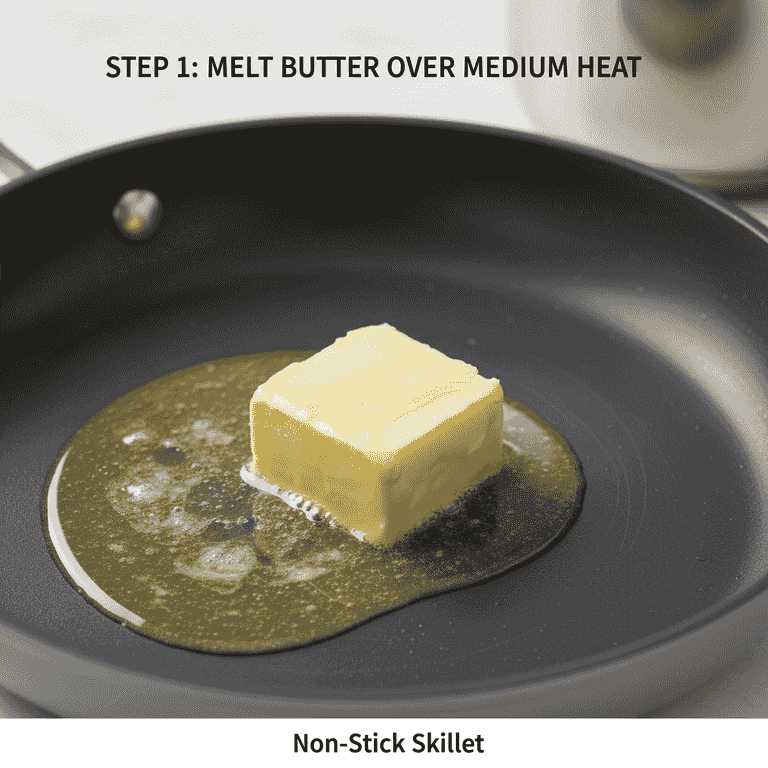
Heat the pan
1-2 minutesPlace your non-stick skillet over medium-low heat and add a tablespoon of unsalted butter.
The butter should foam but not brown. If it browns, the pan is too hot and will create an unwanted crust on the eggs.
Do not let the butter reach the smoking point.
Use high-quality unsalted butter for the best flavor profile.
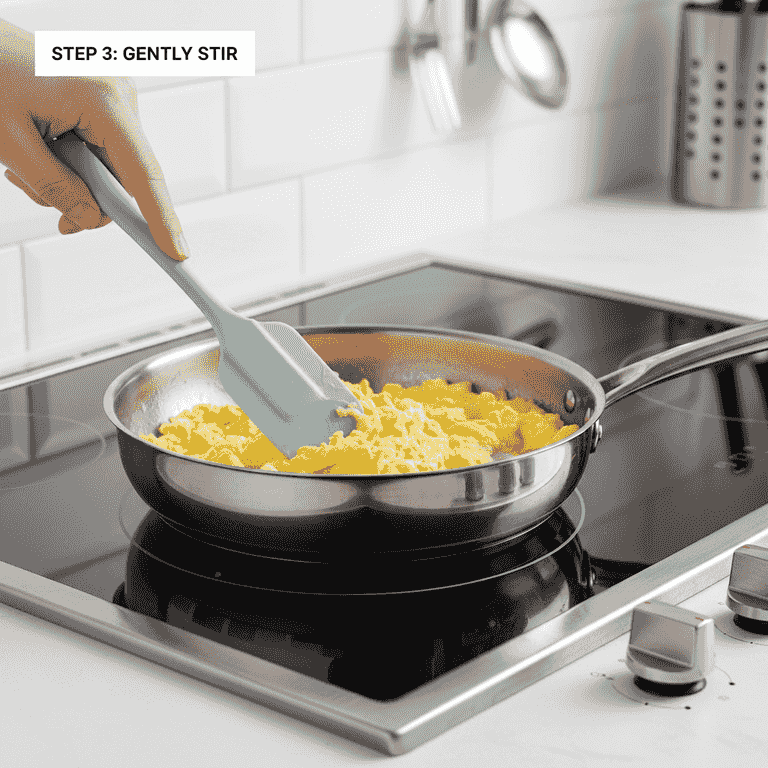
Agitate the eggs
2 minutesPour the eggs into the pan and immediately begin stirring rapidly with your spatula while shaking the pan back and forth.
This constant motion creates small, creamy curds similar to soft-scrambled eggs. You are aiming for a texture that is custard-like.
Use your non-dominant hand to shake the pan handle while your dominant hand moves the spatula in a circular motion.
Set the base
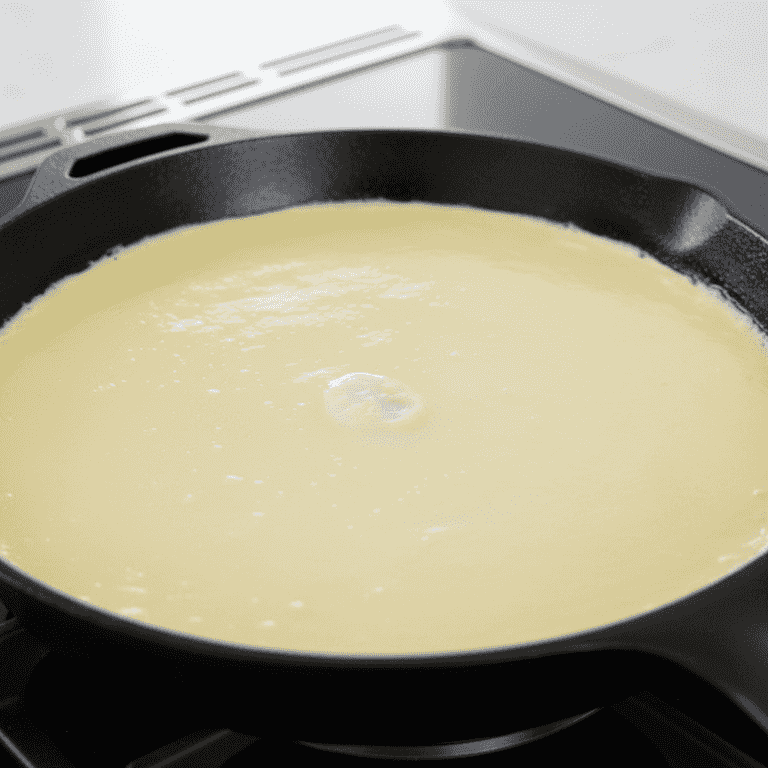
30 secondsStop stirring once the eggs are mostly set but still slightly wet on top.
Spread the eggs into an even layer to ensure the bottom forms a thin, cohesive skin that will hold the filling together.
If the pan is getting too dry, turn the heat down slightly to finish the process.
Roll the omelette
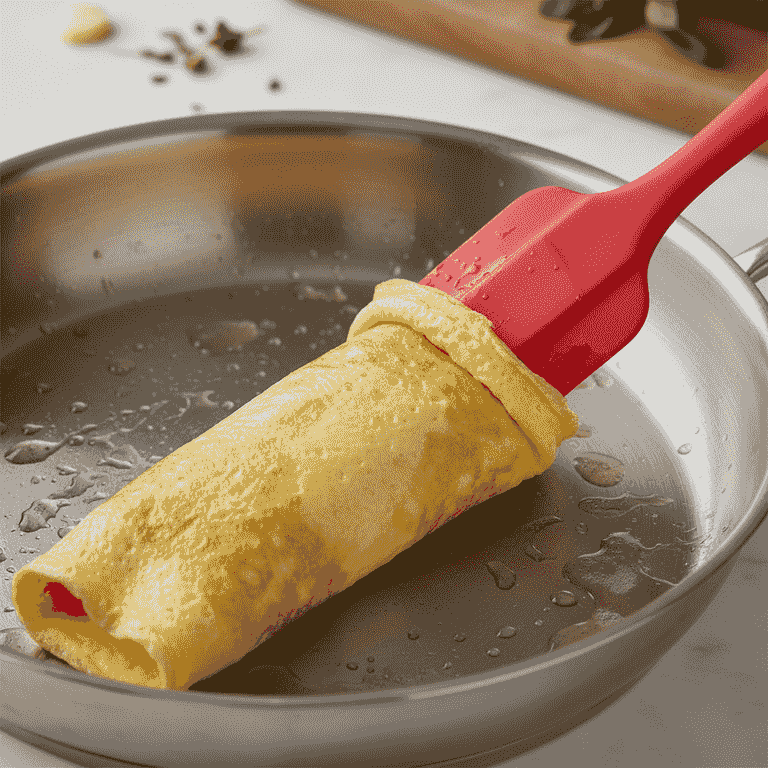
1 minuteTilt the pan away from you and use the spatula to gently roll the omelette onto itself starting from the handle side.
The goal is to create a tight, cigar-shaped cylinder. Use the edge of the pan to help tuck the leading edge of the egg inward.
Work quickly to prevent the eggs from overcooking and becoming rubbery.
Plate and finish
30 secondsInvert the pan over a plate so the seam side of the omelette lands face down.
The residual heat will finish cooking the inside. Rub a small piece of butter over the top for a professional, glossy shine.
If desired, garnish with finely chopped chives for a classic French presentation.
Pro Tips
- ●Always use a high-quality non-stick pan; scratches will cause the eggs to stick.
- ●The eggs should be pale yellow with no browning; control your heat carefully.
- ●For a richer texture, add a teaspoon of heavy cream to the eggs before whisking.
- ●Practice is key; the first few omelettes may not be perfect, but the technique improves rapidly.