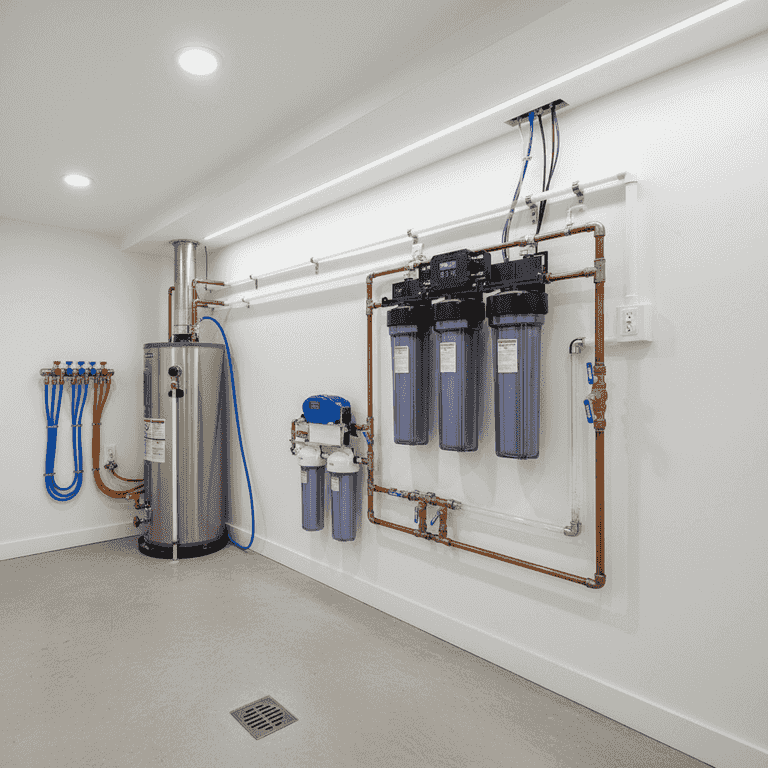
How to Install a Whole-House Water Filter
Improve your home's water quality by installing a whole-house filtration system. This guide walks you through the process of connecting a sediment or carbon filter to your main water supply line.
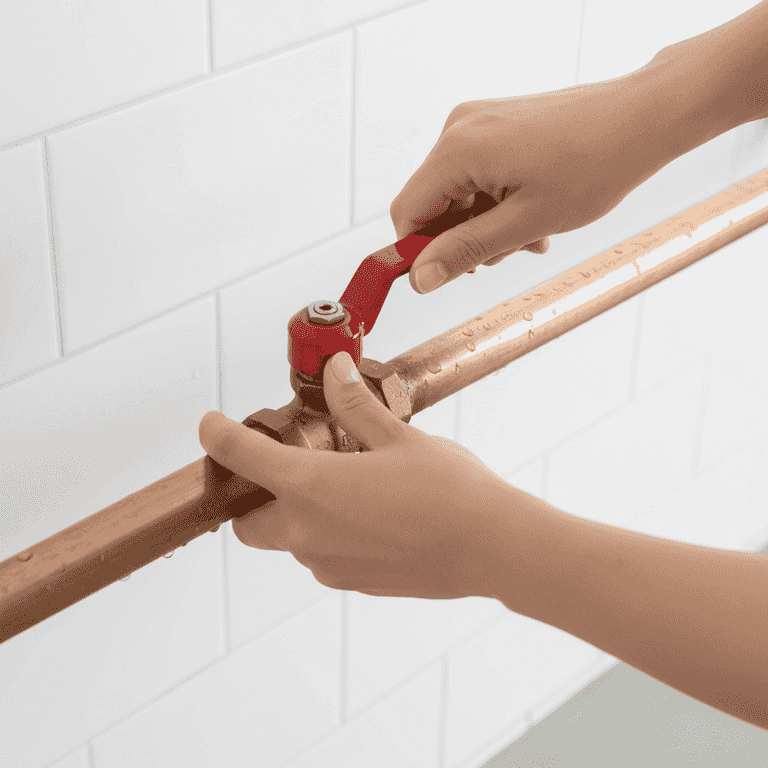
Shut off the water supply
5 minutesLocate your home's main water shut-off valve and turn it completely to the off position.
Opening a faucet at the lowest point of the house will help drain remaining water from the lines. Ensure no pressure remains before proceeding.
Failure to shut off the water will result in flooding.
Test the nearest faucet to ensure no water flows after the valve is closed.
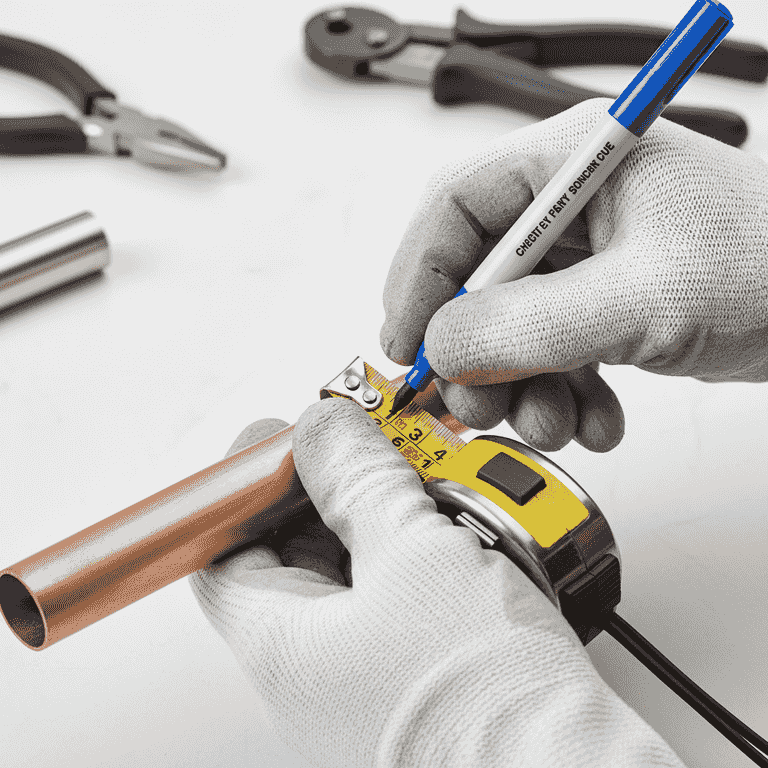
Measure and mark the pipe
10 minutesMeasure the width of the filter housing assembly and mark the corresponding length on your main water line.
Leave extra room for the shut-off valves you will install on either side of the filter. Use a marker to create clear, accurate cut lines.
Use a level to ensure the filter housing will sit straight.
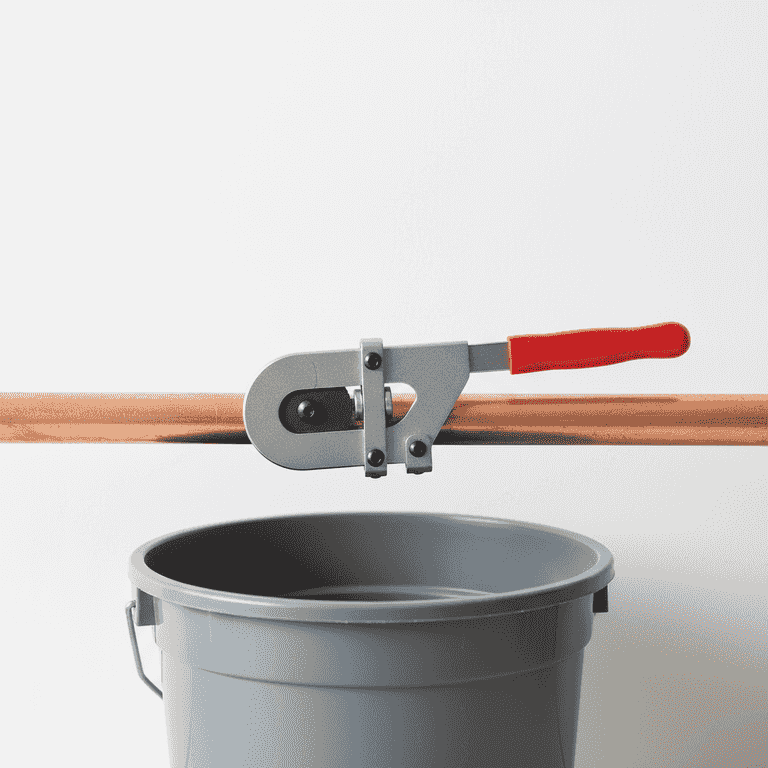
Cut the pipe
15 minutesUse the pipe cutter to remove the section of pipe marked in the previous step.
Place a bucket beneath the pipe before cutting, as trapped water will leak out. Ensure the cut is clean and perpendicular to the pipe axis.
Wear safety glasses to protect against metal shavings.
Rotate the pipe cutter slowly around the pipe, tightening the knob slightly with each rotation.
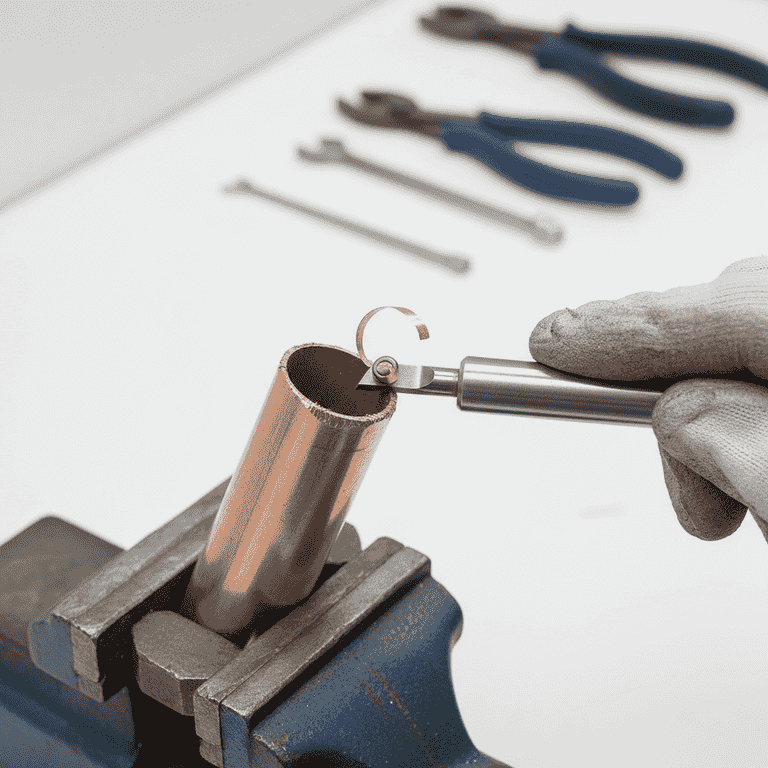
Deburr and prep the pipe ends
5 minutesUse a deburring tool to smooth the inside and outside edges of the cut pipe.
Rough edges can damage the rubber gaskets inside the compression fittings, leading to leaks. A smooth edge ensures a reliable seal.
Wipe away any metal filings with a clean cloth.
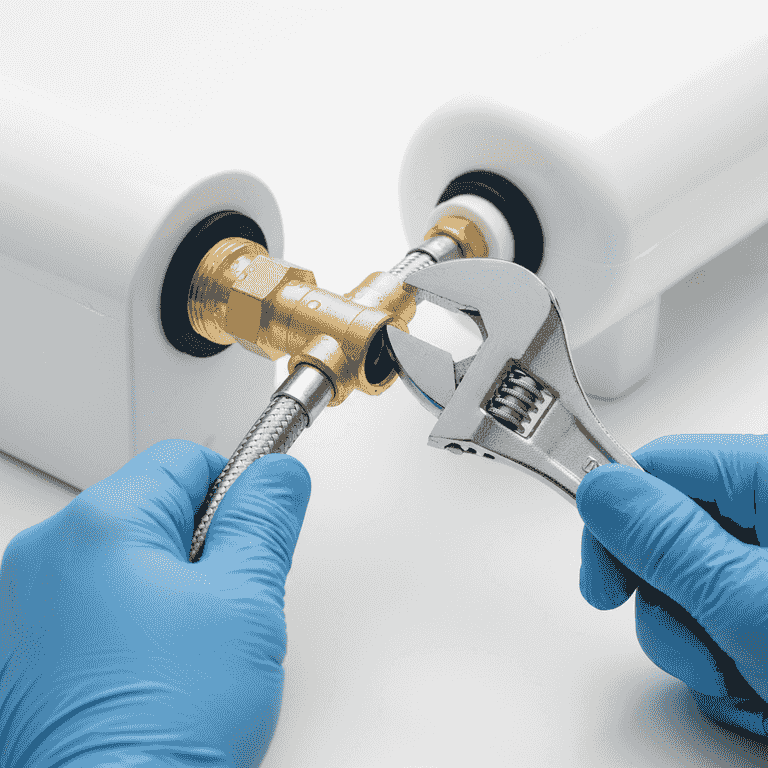
Install the filter housing
30 minutesConnect the filter housing to the pipe ends using compression fittings and apply plumber's tape to all threaded joints.
Ensure the flow direction arrow on the filter housing matches the direction of your water flow. Tighten the fittings securely with your adjustable wrench.
Do not overtighten fittings, as this can crack plastic housing or damage copper threads.
Wrap the plumber's tape in a clockwise direction around the threads to prevent it from unravelling.
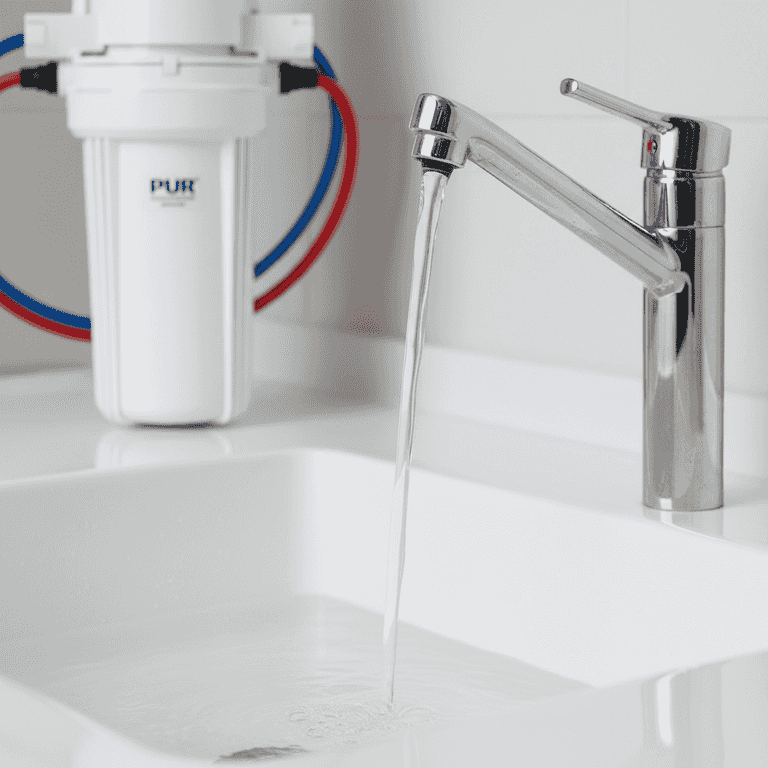
Flush the system
10 minutesSlowly turn the water supply back on and check for any leaks around the joints.
Open a nearby faucet to allow air to escape the system. Once the water runs clear, let it flow for a few minutes to flush out any manufacturing residue from the filter.
If a leak is detected, turn the water off immediately and tighten the leaking connection.
Keep a dry cloth handy to wipe down joints and check for moisture.
Pro Tips
- ●Install a bypass loop so you can turn off water to the filter without shutting off the entire house during future filter changes.
- ●Label the date of installation on the filter housing with a permanent marker to track maintenance schedules.
- ●Always keep a spare filter cartridge on hand to avoid interruptions in water quality.
- ●Use high-quality brass fittings instead of plastic for long-term durability in pressurized systems.