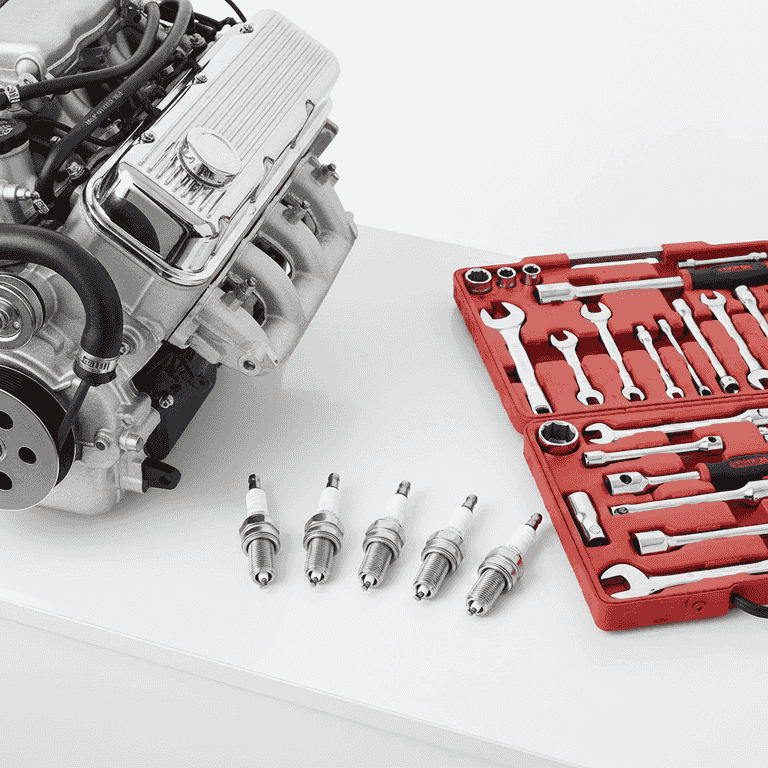
How to Change Spark Plugs
Replacing your spark plugs is a fundamental maintenance task that improves engine performance, fuel efficiency, and starting reliability. This guide walks you through the safe removal and installation process for most standard internal combustion engines.
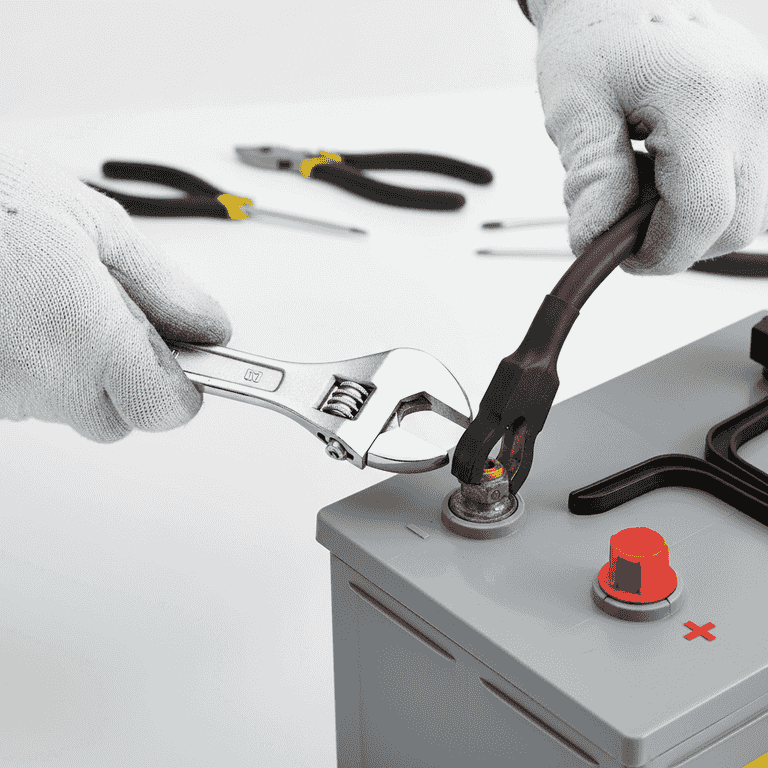
Cool the engine and prepare workspace
5 minutesAllow the engine to cool for at least one hour and disconnect the negative battery terminal.
Working on a hot engine can cause severe burns, and disconnecting the battery prevents accidental electrical shorts while you work near the ignition system.
Never attempt to remove spark plugs from a hot aluminum cylinder head as it can damage the threads.
Wear gloves to protect your hands from grease and sharp metal edges.

Clean the spark plug area
5 minutesUse compressed air or a soft brush to remove dirt and debris from around the spark plug boots.
If debris falls into the combustion chamber after you remove the plug, it can cause internal engine damage. Ensure the area is pristine before proceeding.
Do not blow debris into the cylinder if the spark plug is already removed.
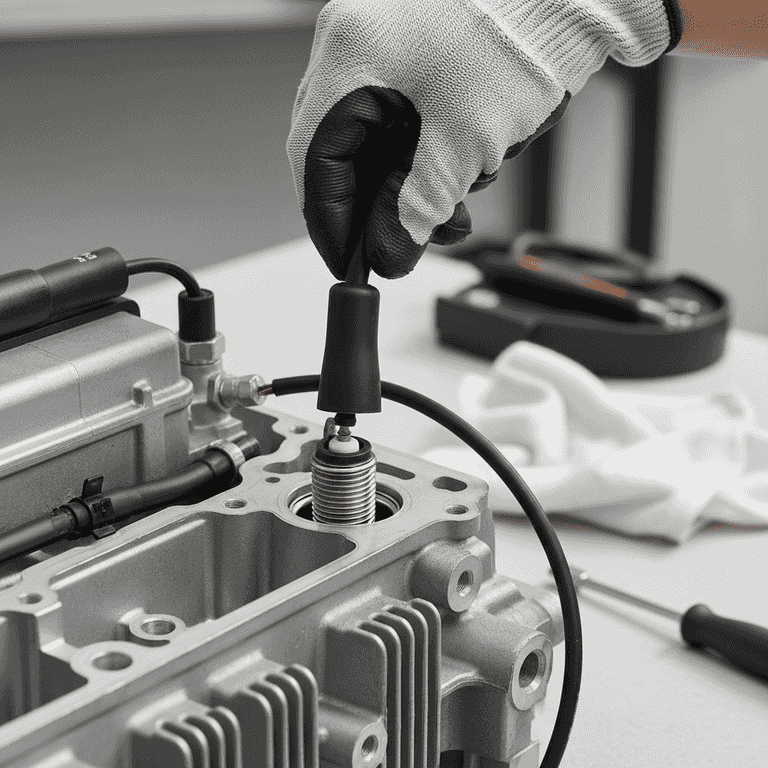
Remove the ignition wires or coil packs
10 minutesGently pull the spark plug wire boot or unscrew the ignition coil bolt to expose the spark plug.
Label each wire or coil if necessary so you do not mix up the firing order. Pull only by the boot, not the wire itself, to prevent damage.
Pulling on the wire can cause internal wire breakage that is hard to diagnose.
Use a twisting motion to break the seal of the rubber boot before pulling it off.
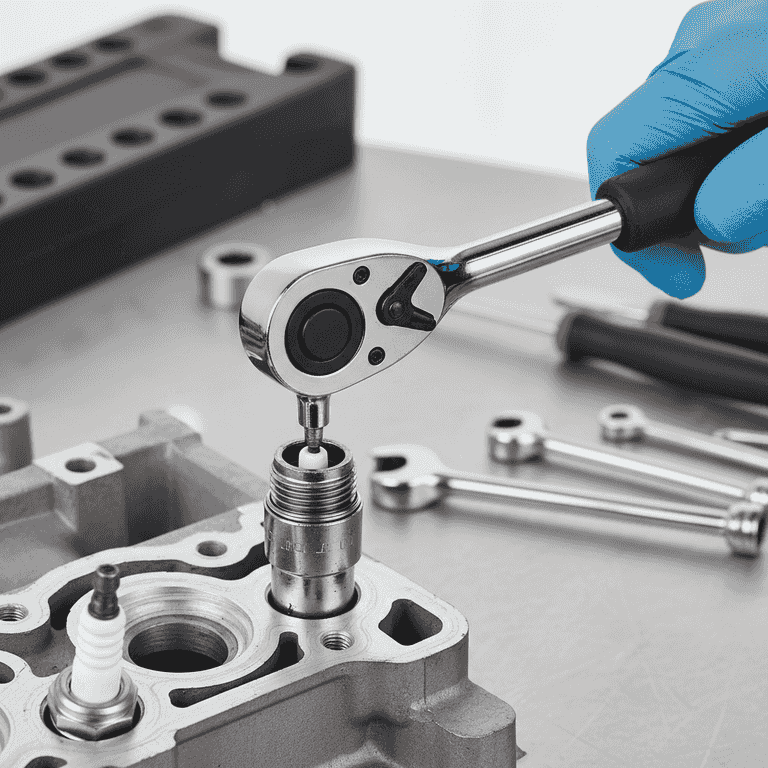
Extract the old spark plug
10 minutesInsert the spark plug socket and extension into the well and turn counter-clockwise to unscrew the plug.
Ensure the socket is fully seated on the plug hex before applying force. Once loose, carefully lift the plug out of the well.
Do not force a stuck plug, as snapping it off in the head requires expensive professional repair.
If the plug is stuck, use a small amount of penetrating oil and let it sit before trying again.
Check and set the gap
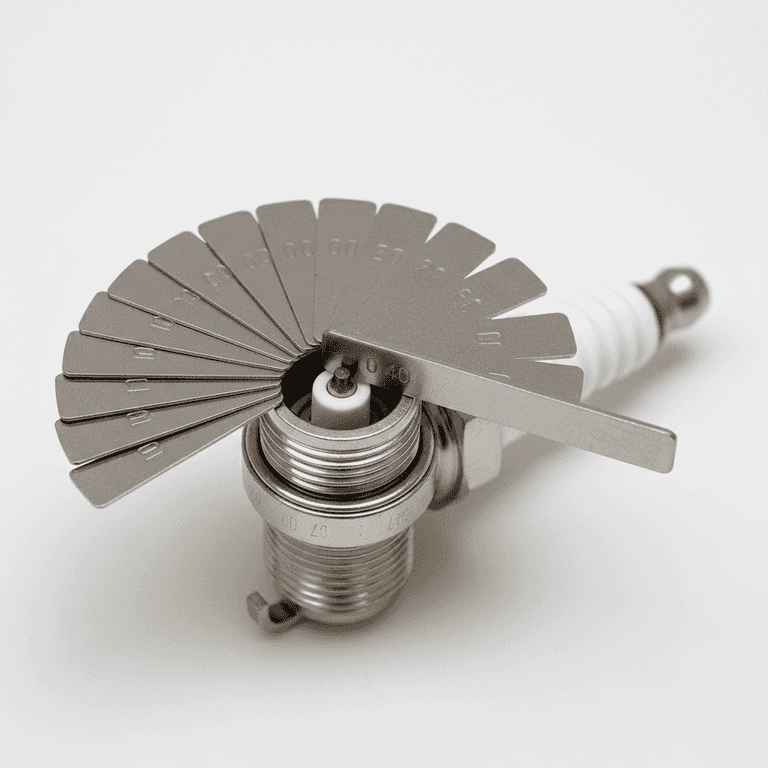
5 minutesVerify the gap of the new spark plug using a gap gauge according to your vehicle's manual specifications.
Pre-gapped plugs are common, but always verify them as they can be knocked out of alignment during shipping. Adjust the electrode gently if needed.
Be extremely careful not to damage the center electrode while checking the gap.
Most modern plugs come pre-gapped, but 'trust but verify' is the golden rule.
Install the new spark plug
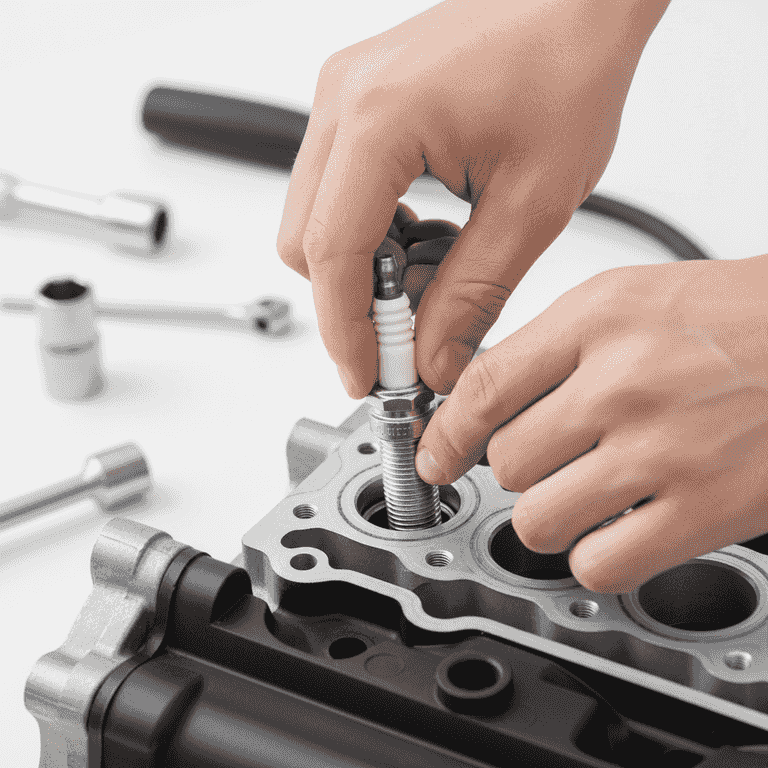
15 minutesThread the new spark plug in by hand for the first few turns, then tighten with the torque wrench.
Hand-threading prevents cross-threading, which can ruin the cylinder head. Always tighten to the manufacturer's specified torque setting.
Never use an impact wrench to install spark plugs.
Use a piece of rubber tubing over the plug end to help guide it into deep wells by hand.
Reconnect ignition components
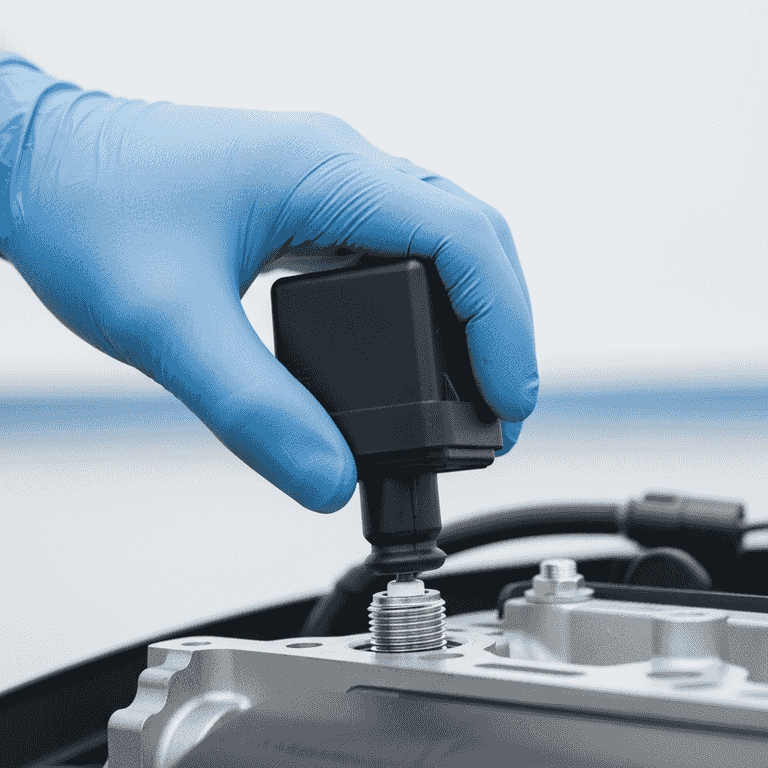
5 minutesReattach the ignition coil or spark plug wires firmly until you hear or feel a click.
Ensure the connection is secure and the wires are routed away from hot exhaust manifolds. Double-check that all connections are tight.
A loose connection will cause engine misfires and poor performance.
Apply a tiny amount of dielectric grease to the inside of the boot to ensure a good connection and easy future removal.
Pro Tips
- ●Always replace spark plugs when the engine is stone cold to protect the cylinder head threads.
- ●Replace your plugs one at a time to ensure you never confuse the firing order.
- ●Use a small amount of anti-seize compound on the threads if recommended by the spark plug manufacturer.
- ●Inspect the color of the old spark plug tips to diagnose potential engine issues like running too rich or lean.