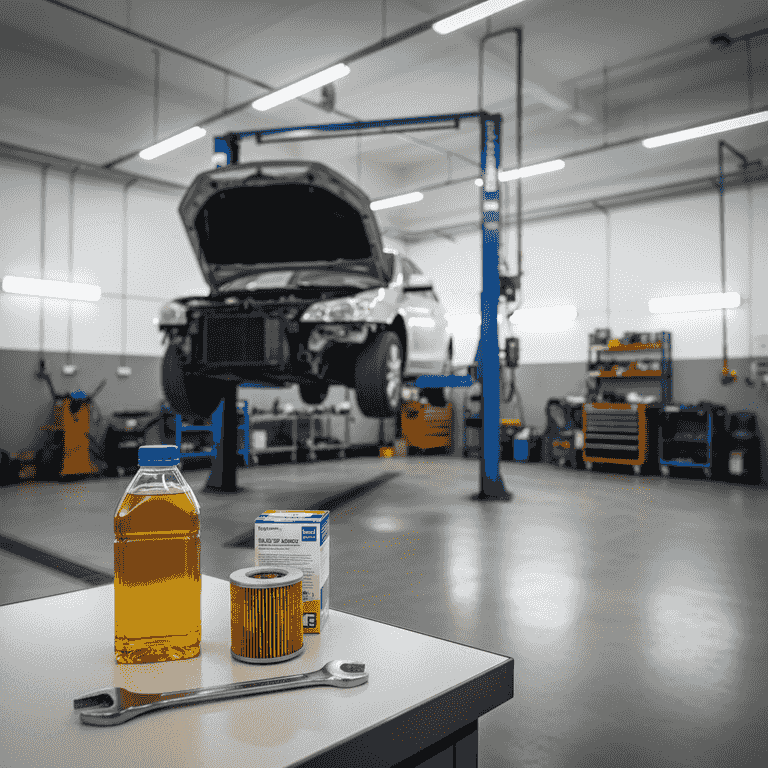
How to Change Engine Oil
Regular oil changes are the most important maintenance task to extend your engine's lifespan and improve fuel efficiency. This guide walks you through the process of draining old oil and installing a fresh filter safely.
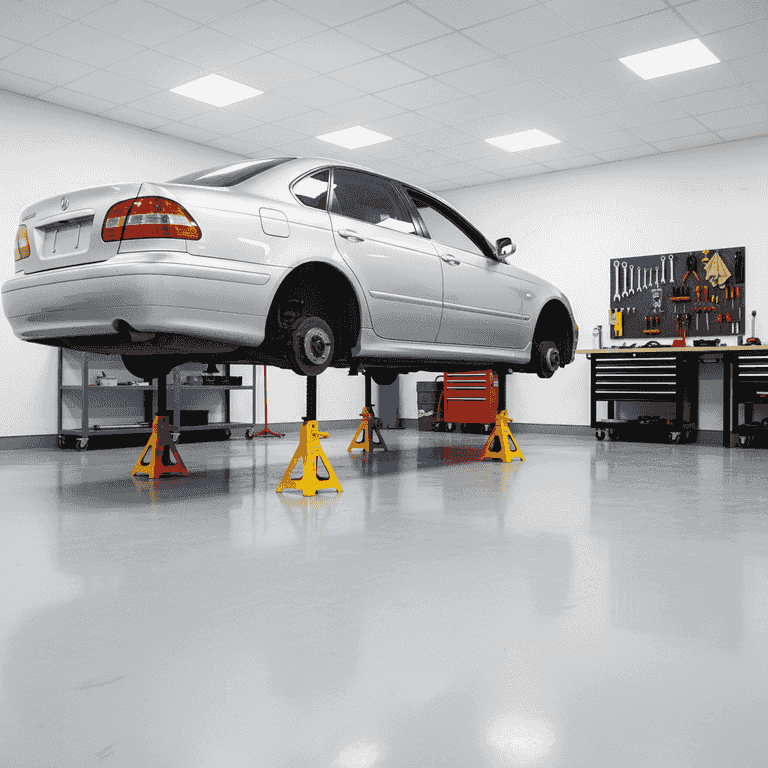
Prepare the vehicle
10 minutesPark on a level surface, engage the parking brake, and lift the vehicle using a jack.
Secure the vehicle on jack stands before crawling underneath. Ensure the engine is warm but not hot to help the oil flow easily.
Never trust a hydraulic jack alone to hold the vehicle weight.
Place a piece of cardboard under the car to catch accidental drips.
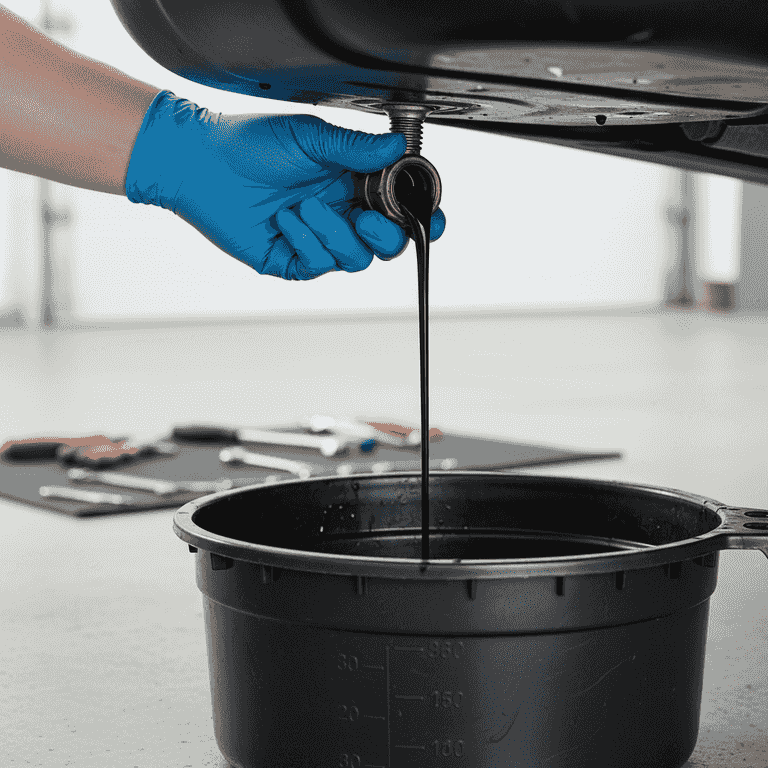
Drain the old oil
10 minutesPlace the drain pan under the oil pan and remove the drain plug using a wrench.
Carefully loosen the plug and pull it away quickly to avoid getting oil on your hands. Allow the oil to drain completely into the pan.
The oil may be hot; wear protective gloves to avoid burns.
Keep a rag nearby to wipe the threads of the plug once it is removed.
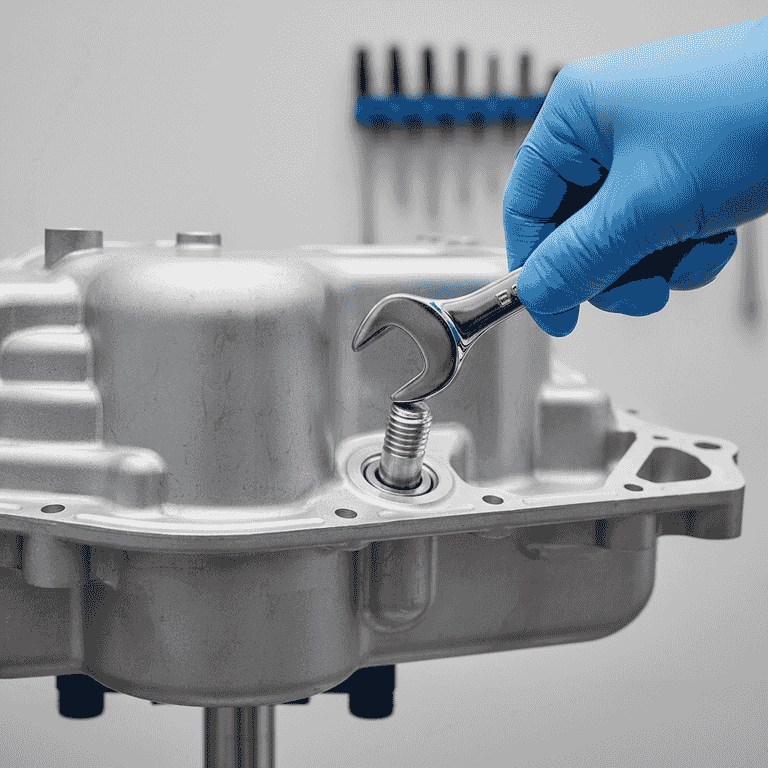
Replace the drain plug
3 minutesWipe the drain plug clean and reinstall it into the oil pan.
Check the condition of the crush washer and replace it if necessary. Tighten the plug to the manufacturer's specified torque.
Do not overtighten, as this can strip the threads in the oil pan.
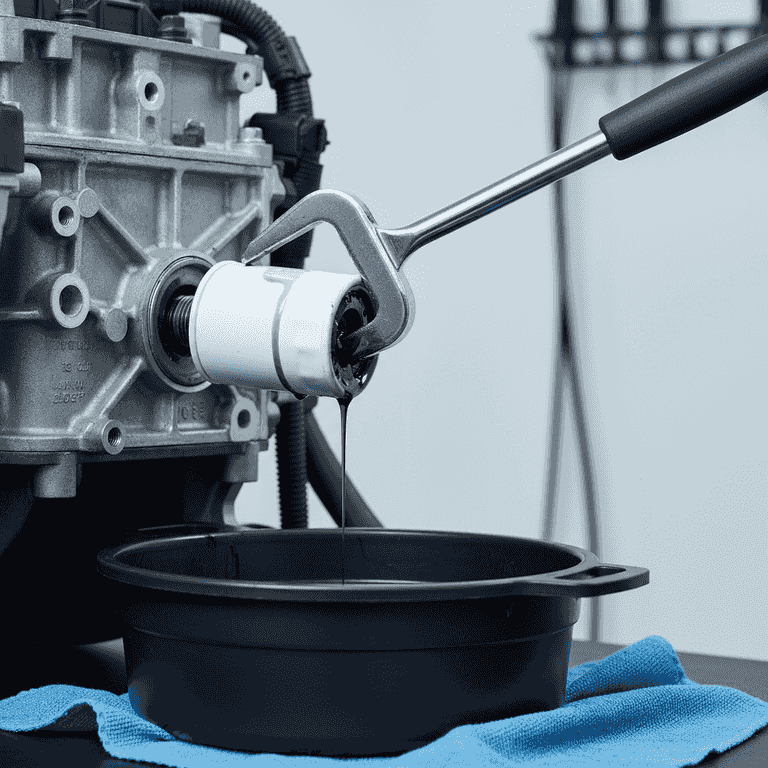
Remove the old oil filter
5 minutesReposition the drain pan under the oil filter and unscrew it using an oil filter wrench.
Some oil will spill as the filter is removed, so ensure the pan is directly underneath. Ensure the old rubber gasket comes off with the filter.
Check the engine block surface to ensure the old gasket isn't stuck to it.
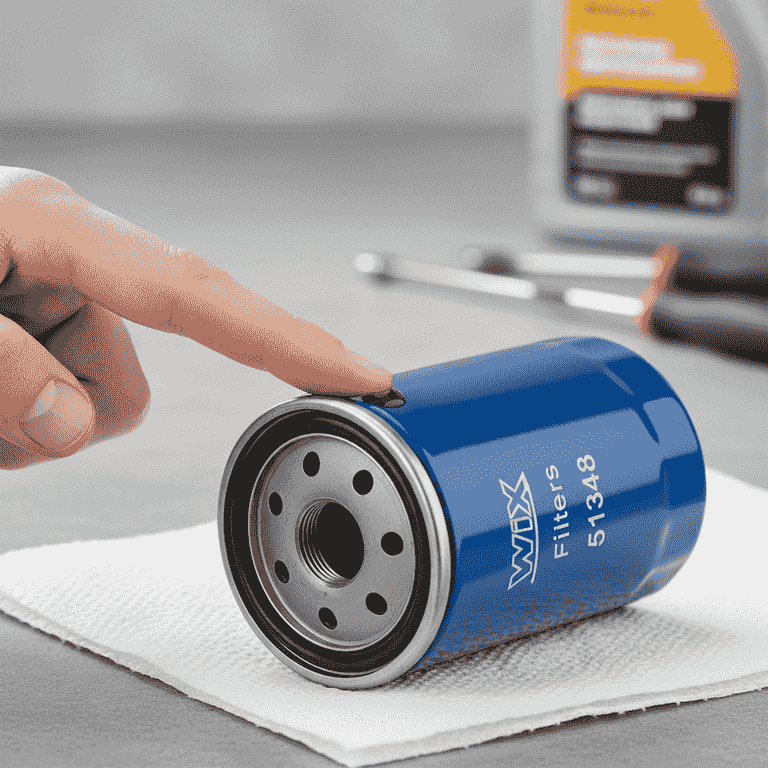
Install the new oil filter
3 minutesApply a light coating of fresh oil to the rubber gasket of the new filter and screw it on by hand.
Tighten the filter until it is snug, then give it an extra quarter-turn. Hand-tightening prevents over-torquing and makes future removal easier.
Never use a wrench to tighten the new filter.
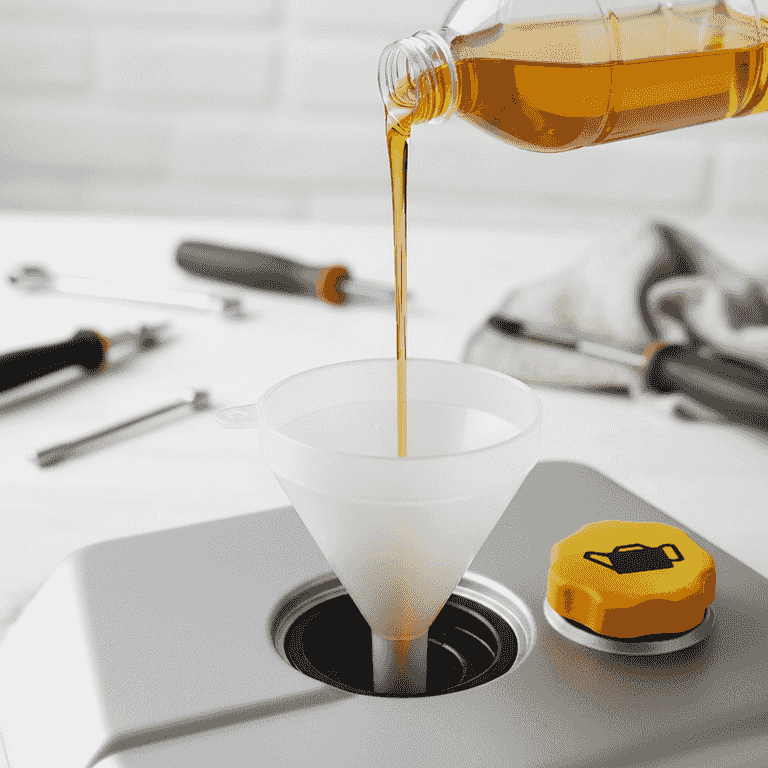
Fill with new oil
5 minutesOpen the oil fill cap on top of the engine and pour in the recommended amount of new oil using a funnel.
Consult your owner's manual for the exact oil capacity and viscosity. Use the funnel to avoid spilling oil on the engine block.
Do not overfill the engine, as this can cause seal damage.
Pour slightly less than the total capacity, then check the dipstick before adding the final amount.
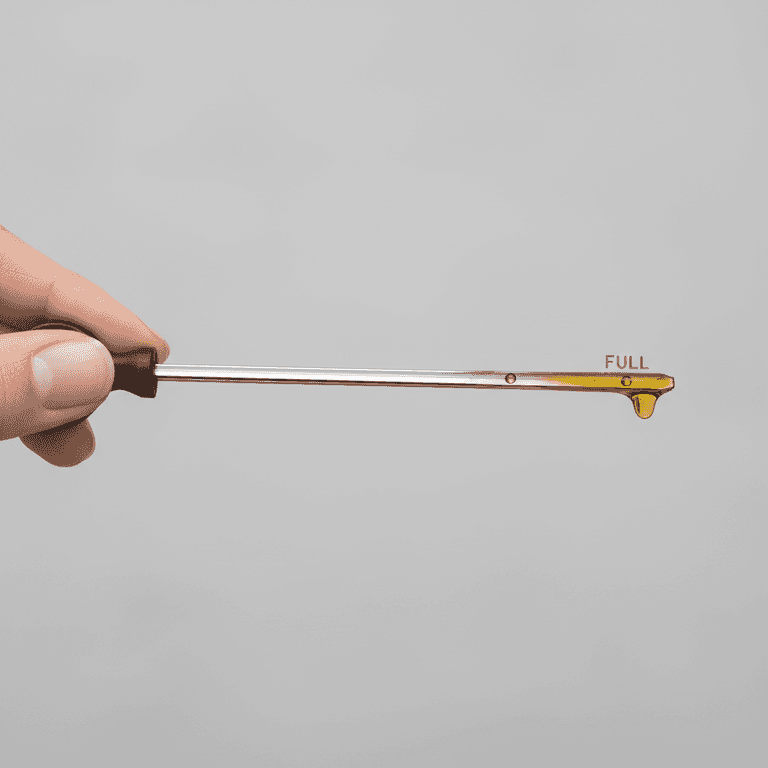
Verify and clean up
5 minutesStart the engine, check for leaks, and verify the oil level on the dipstick.
Let the engine run for a minute, turn it off, wait for the oil to settle, and pull the dipstick to confirm the level is between the marks.
If the oil pressure light stays on, turn the engine off immediately.
Check under the car for any fresh drips before driving.
Pro Tips
- ●Always recycle your used oil at an auto parts store or local collection center.
- ●Keep a logbook of your oil changes including the date and mileage.
- ●Use a high-quality oil filter, as it is just as important as the oil itself.
- ●Check your air filter while you are under the hood; it is often an easy secondary maintenance task.