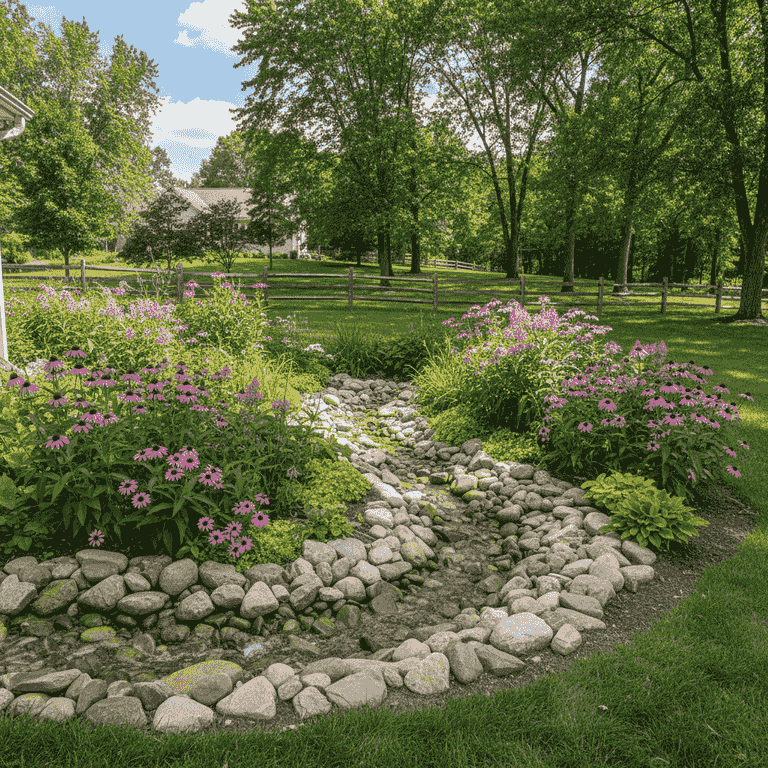
How to Build a Rain Garden
A rain garden is a beautiful, functional landscape feature designed to capture and filter stormwater runoff. By following these steps, you will create a thriving ecosystem that reduces local flooding and supports native pollinators.
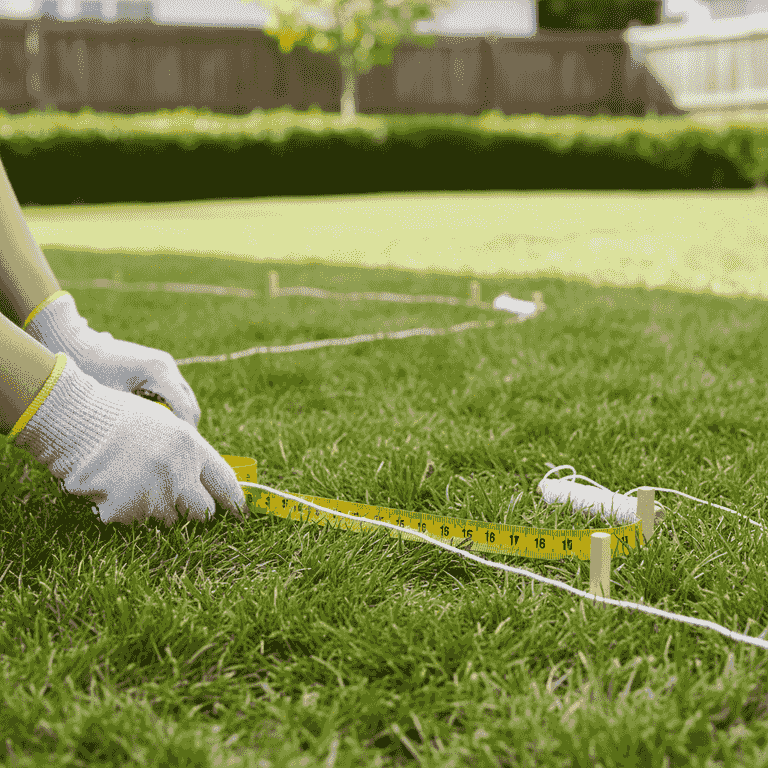
Select the location
1 hourChoose a low-lying area in your yard at least 10 feet away from your home's foundation.
Ensure the site receives runoff from a downspout or driveway. Avoid areas with high water tables or septic systems.
Ensure you are not digging over utility lines; call 811 first.
Perform a percolation test by digging a hole and filling it with water to see how quickly it drains.
Outline the garden shape
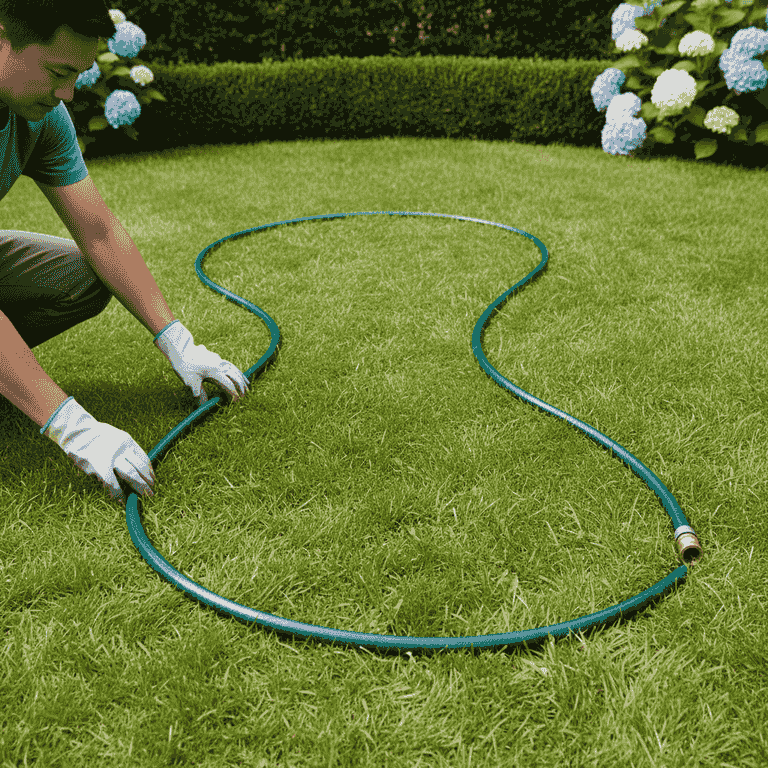
30 minutesUse string or spray paint to define the perimeter of your rain garden.
A kidney or oval shape is often most efficient for capturing runoff. Make the outline clear so you know exactly where to excavate.
Use a garden hose to experiment with different curves before finalizing the shape.
Excavate the garden bed
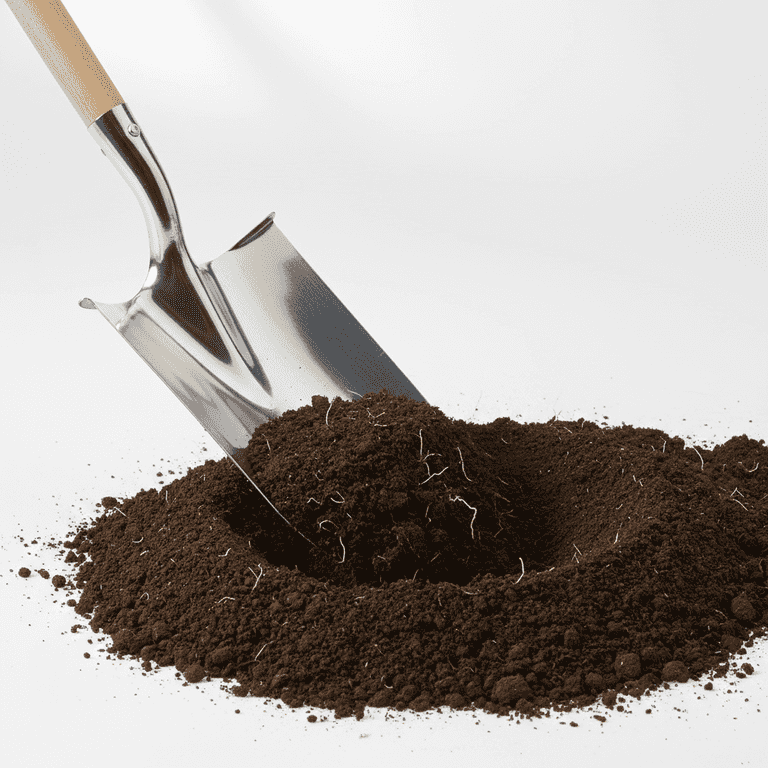
4-6 hoursDig out the area to a depth of 6 to 12 inches.
Keep the edges sloped gently toward the center to create a shallow basin. Use the shovel to remove sod and excess dirt.
Watch for underground pipes or cables while digging.
Place the excavated soil nearby on a tarp to make cleanup easier.
Amend the soil
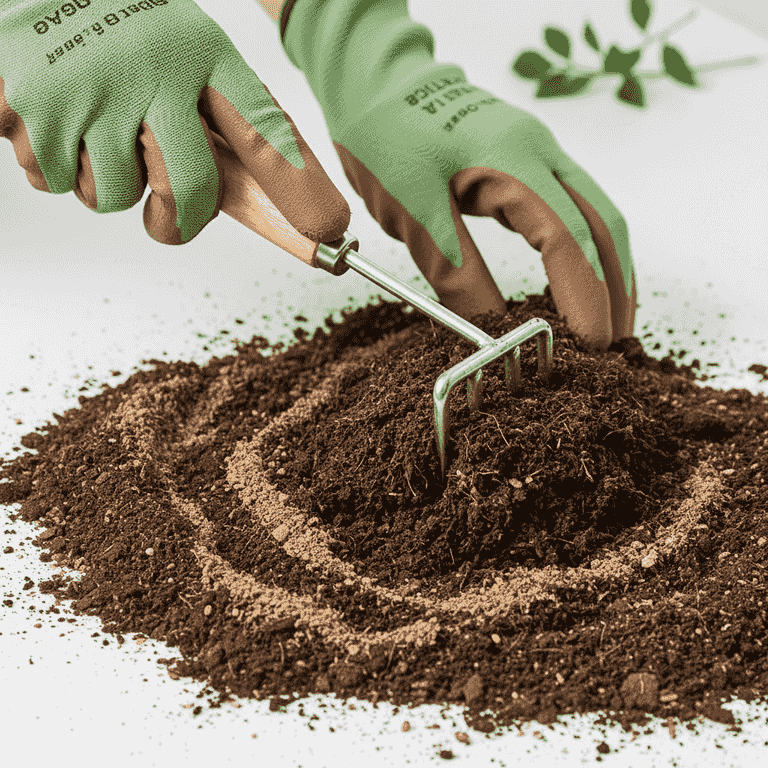
2 hoursMix compost or organic matter into the base of the basin to improve drainage.
Native soil may be too compacted for water to infiltrate quickly. Mixing in compost provides nutrients and creates a better environment for plant roots.
If your soil is heavy clay, mix in sand to improve the drainage rate.
Install native plants
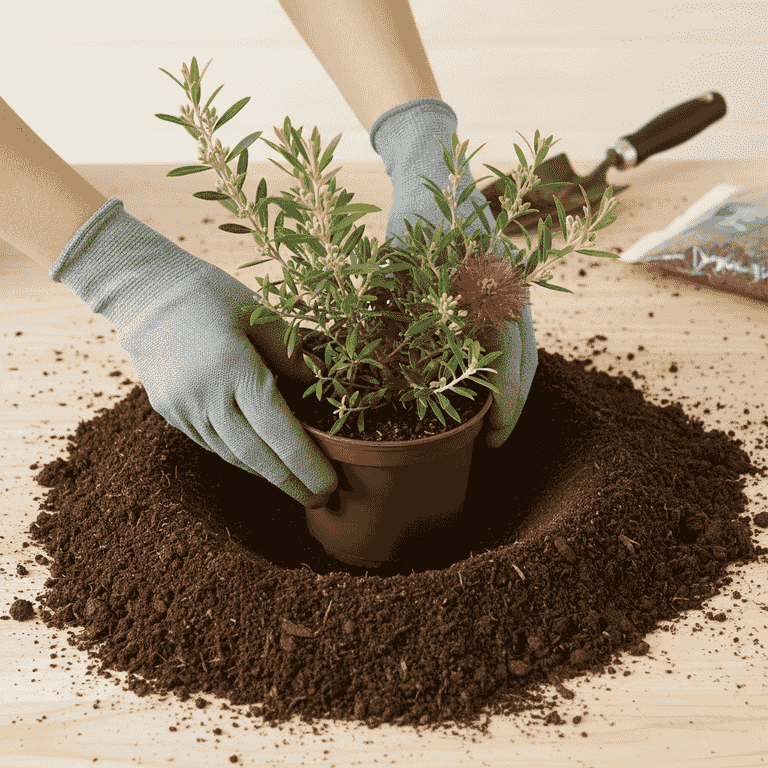
3 hoursArrange and plant deep-rooted native perennials in the basin.
Group plants according to their moisture needs, placing the most water-loving species in the deepest center section. Dig holes twice the width of the root ball.
Group plants in odd-numbered clusters for a more natural look.
Apply mulch and finish
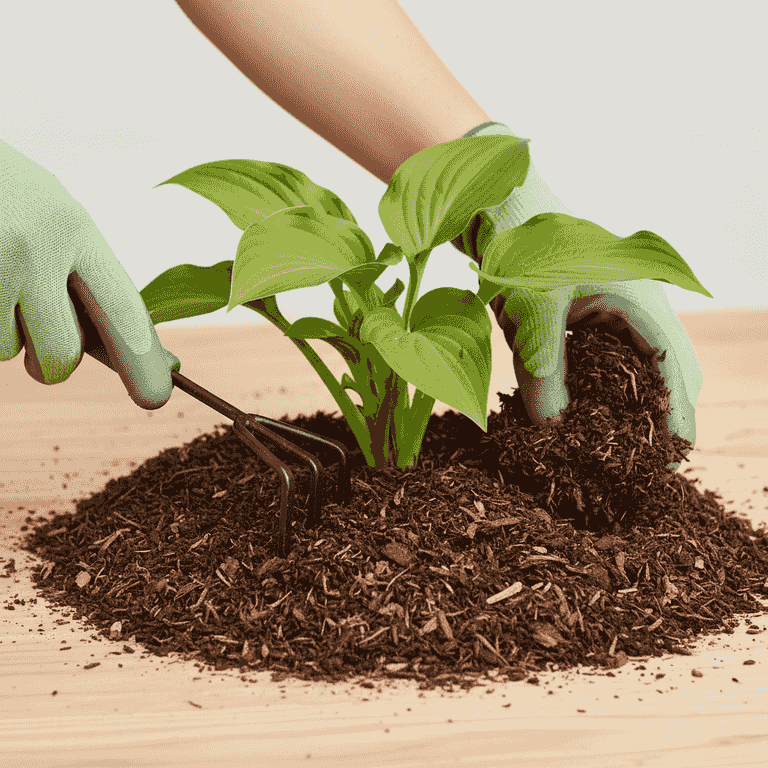
1 hourSpread a 2-inch layer of hardwood mulch over the area to retain moisture and suppress weeds.
Avoid using shredded rubber or gravel mulch. Ensure the mulch is spread evenly around the new plants without burying the stems.
Water the garden thoroughly immediately after planting to help roots establish.
Pro Tips
- ●Always choose native plants as they are adapted to your local rainfall and climate.
- ●Add a small berm (a raised ridge of soil) on the downhill side to help trap the water.
- ●Place river rocks at the point where the downspout enters the garden to prevent soil erosion.
- ●Check the garden after the first heavy rainfall to ensure water is pooling correctly and not overflowing.