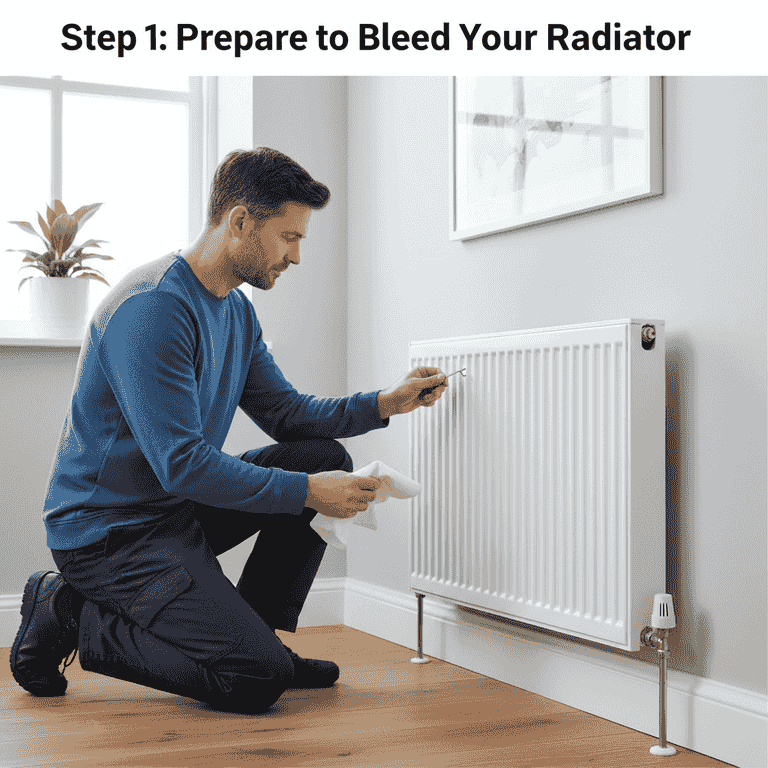
How to Bleed a Radiator
Bleeding a radiator is a simple home maintenance task that removes trapped air to improve heating efficiency. Follow these steps to ensure your home stays warm and your heating system operates effectively.
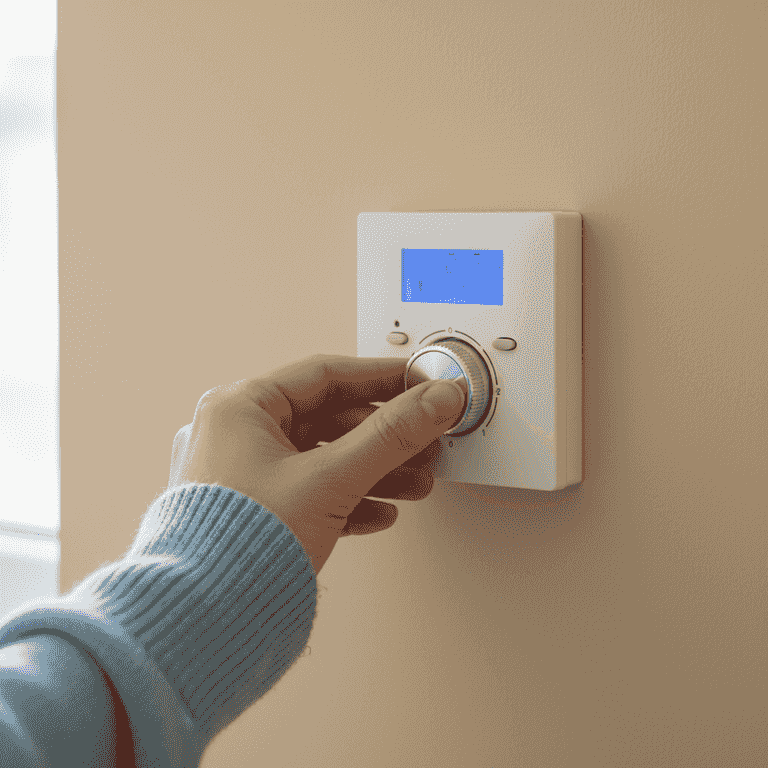
Turn off the heating
30 minutesSwitch off your central heating system and wait for the radiators to cool down completely.
If the heating is on, the pump will be circulating water, making it impossible to bleed the air out effectively. Waiting for the system to cool prevents the risk of steam or hot water burns.
Never attempt to bleed a radiator while the heating is running as you could be sprayed with boiling water.
Turn the heating off at least 30 minutes before you begin.
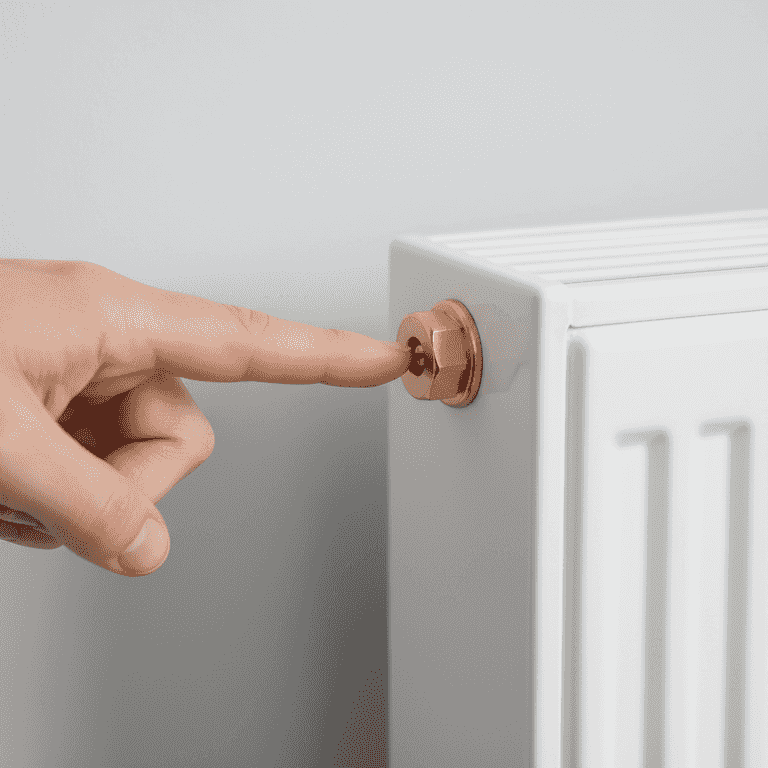
Locate the bleed valve
1 minuteIdentify the bleed valve located at the top corner of the radiator.
The bleed valve is usually a small metal square nut situated within a larger circular casing. It is typically found on the opposite end of the radiator from the thermostatic valve.
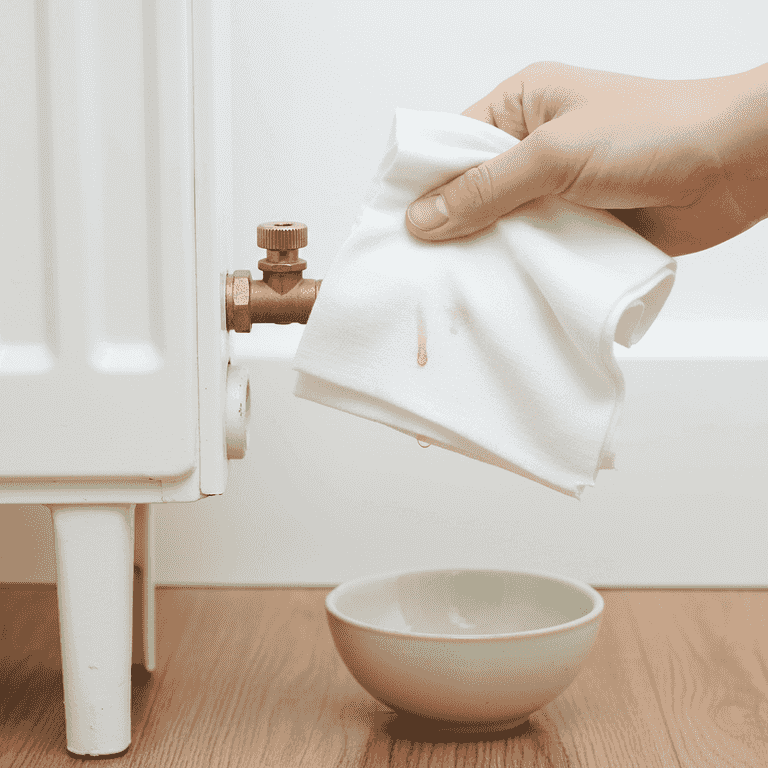
Prepare the area
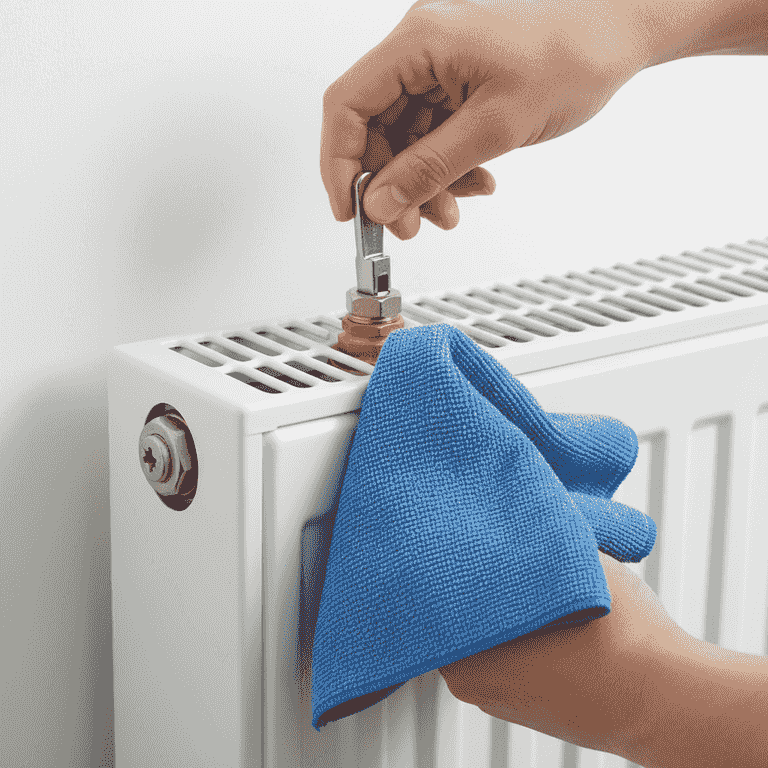
1 minutePlace a rag and a small bowl underneath the bleed valve.
As soon as the air escapes, a small amount of water will likely follow. Having a cloth and bowl ready prevents water from damaging your carpet or flooring.
Use a microfiber cloth for better absorption.
Open the valve
2 minutesInsert the radiator key into the valve and turn it slowly counter-clockwise.
Turn the key about a quarter to a half turn. You will hear a hissing sound, which is the trapped air escaping from the system.
Do not unscrew the valve completely, as it can be difficult to reinsert if it falls out.
Keep your cloth pressed firmly against the valve as you turn the key.
Close the valve
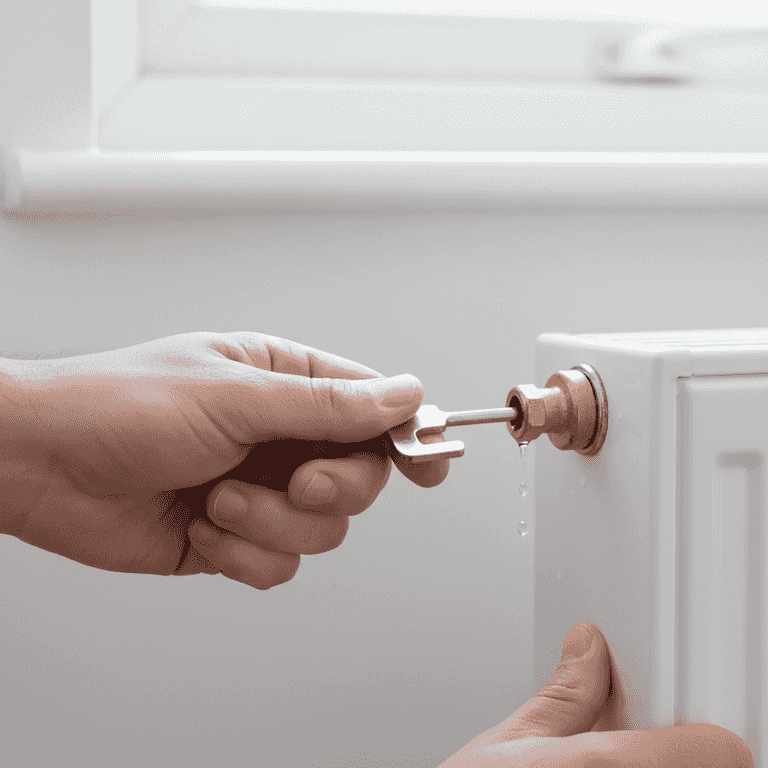
1 minuteWait until the hissing stops and water begins to leak steadily, then turn the key clockwise to close the valve.
Once a steady stream of water appears, it indicates that all the air has been removed. Tighten the valve firmly to prevent leaks, but do not overtighten.
Ensure the valve is fully closed to prevent slow drips that could cause rust or floor damage.
Check system pressure
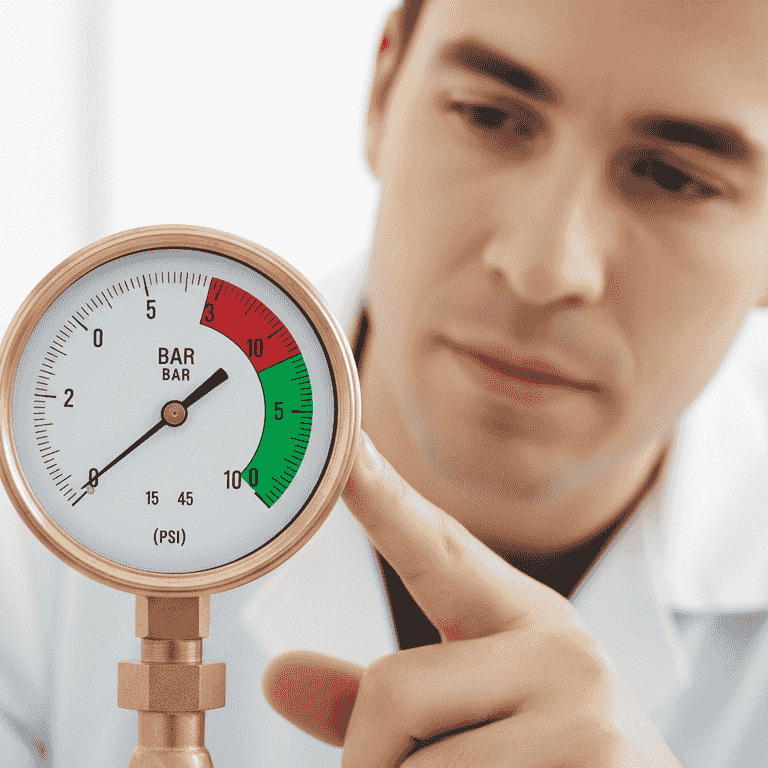
2 minutesCheck your boiler's pressure gauge to ensure it is within the recommended range.
Bleeding radiators can sometimes drop the pressure in a sealed heating system. If the pressure has dropped too low, you may need to top it up using the filling loop.
If your boiler pressure is consistently dropping, contact a qualified heating engineer to check for leaks.
Most residential boilers should be between 1 and 1.5 bar.
Pro Tips
- ●Bleed your radiators once a year, ideally before the start of winter.
- ●If only the top of your radiator is cold, it is a clear sign that it needs bleeding.
- ●If the radiator remains cold after bleeding, there may be sludge buildup in the system requiring a power flush.
- ●Keep your radiator key in a consistent, labeled spot so it is always ready for use.